Medical Records: Where to Start
If you’re looking for the “story” of how the patient entered the hospital and what happened while he/she was there, go to the Discharge Summary (Caution: This is different than the Discharge Instructions, which are…

Medical Expert Witness Services

If you’re looking for the “story” of how the patient entered the hospital and what happened while he/she was there, go to the Discharge Summary (Caution: This is different than the Discharge Instructions, which are…

Radiologists should follow guidelines developed by the American College of Radiology regarding such things as ambient light levels, monitor resolution and luminance, and certain components of the reports themselves such as differential diagnosis and suggestions for further imaging.…

Experienced radiologists have reviewed an enormous number of images which generates a vast internal database; radiologists have the best chance to assess the timing of pathology such as fractures, strokes, and bleeds by comparing the images to…

Image quality can vary significantly which can affect diagnostic accuracy. The most advanced scanner-software combinations produce images that look like the newest high definition TV, but others might look like an old fuzzy TV set from the…

Radiologists make mistakes just like everyone else; radiologists can misinterpret findings or miss them altogether, most commonly nasal bone fractures and soft tissue contusions seen on head CT for assault. Aside from inherent differences in opinion, the…

Radiologist’s reports are interpretations and opinions of imaging exams, not objective results like laboratory tests. The report is ideally performed in conjunction with clinical history, physical exam, and laboratory results, but even given perfect conditions radiologists may disagree…

When considering taking legal action for possible medical negligence related to delayed reduction in a traumatic hip dislocation, there are many factors that need to be considered. There are other causes of avascular necrosis. Examples…

It has been shown that the risk for vascular complications is significantly higher if a dislocated hip is not able to be reduced within 6 hours after the initial injury. A more positive prognosis also…
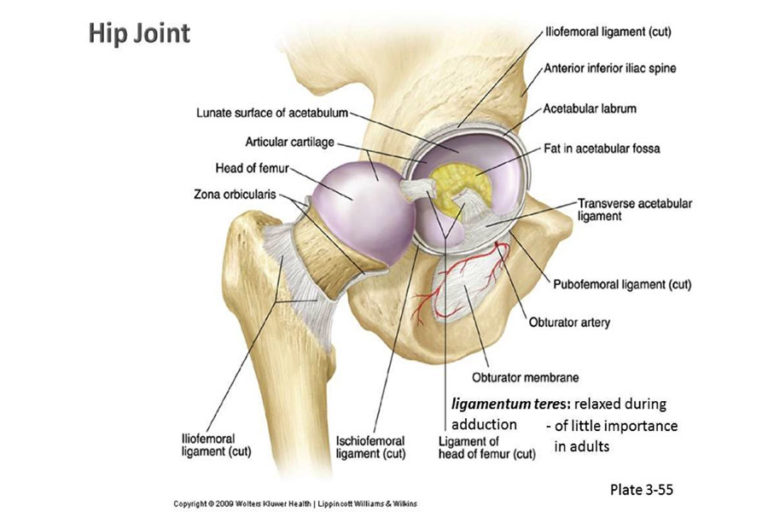
The hip is a joint comprised of a ball and socket. The acetabulum is the socket found on the pelvic bone; the femoral head on the upper end of the thighbone is the ball. Articular…

Legal implications – civil: Non-traumatic intracranial hemorrhage (stroke): For cases involving warfarin or Coumadin- was the patient’s lab work such as PT/INR adequately monitored? If the patient was suffering from Coumadin toxicity, what was the…

Types of hemorrhage Epidural hemorrhage is bleeding between the skull and outer covering of the brain, the dura matter. Epidural hemorrhages are frequently caused from a blunt trauma from an assault, fall or other accident. …
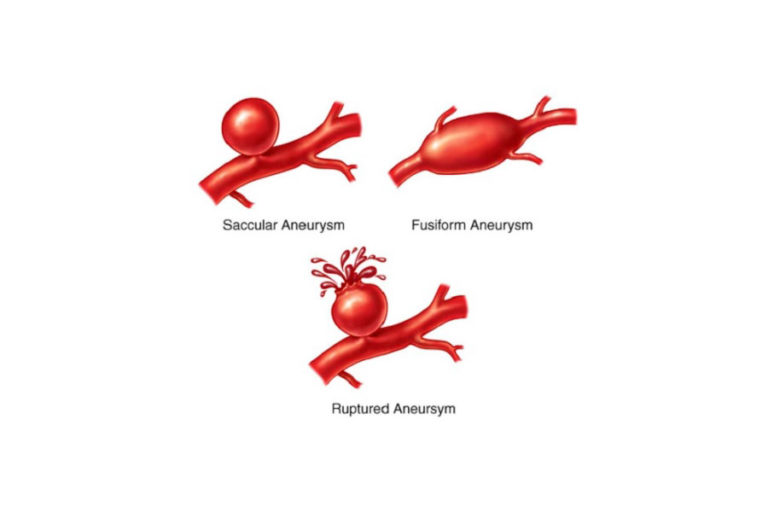
Causes: Non-traumatic Intracranial hemorrhage may have traumatic and non-traumatic causes. One non-traumatic cause is hemorrhagic stroke which accounts for 8%-13% of all strokes. Hemorrhagic strokes often have a poor prognosis resulting in death or major disability. …
Submit New Case:


Sign Up For: