5 Things Criminal Attorneys Should Know About…Loss of Consciousness
This is the 4th out of 6 in this series of “5 things criminal attorneys should know about…” which I first posted a few years ago. Each month I highlight some areas of medicine that…
Neglect is not a straightforward issue in medicine or law. A review of the records by a forensic medical expert may be beneficial in determining if there are underlying issues that are contributing to the…
Child abuse cases are emotionally driven for everyone involved. Expert review for both sides is imperative to ensure that the facts of the case are brought to light. The healthcare providers are emotionally connected to…
Radiologists should follow guidelines developed by the American College of Radiology regarding such things as ambient light levels, monitor resolution and luminance, and certain components of the reports themselves such as differential diagnosis and suggestions for further imaging.…
Experienced radiologists have reviewed an enormous number of images which generates a vast internal database; radiologists have the best chance to assess the timing of pathology such as fractures, strokes, and bleeds by comparing the images to…
Image quality can vary significantly which can affect diagnostic accuracy. The most advanced scanner-software combinations produce images that look like the newest high definition TV, but others might look like an old fuzzy TV set from the…
Radiologists make mistakes just like everyone else; radiologists can misinterpret findings or miss them altogether, most commonly nasal bone fractures and soft tissue contusions seen on head CT for assault. Aside from inherent differences in opinion, the…
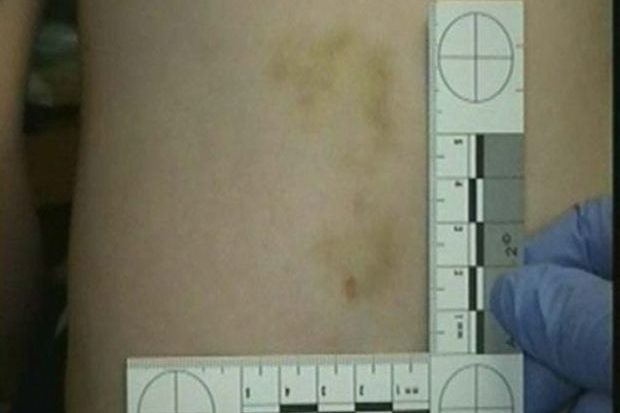
Findings that raise suspicion for abuse include malnutrition or neglect and injuries to the skin such as bruising, traumatic lesions, and abnormalities of the head and/or body. In the American Academy of Pediatrics’ Policy on…
Three common autopsy findings in the pathophysiology of Sudden Infant Death Syndrome are unclotted blood in the heart, intrathoracic petechiae (small red spots inside the thoracic cavity caused by bleeding), and fluid-filled heavier organs. Other findings…
Sudden Infant Death Syndrome is typically associated with a period of sleep, and in most cases no signs of distress are apparent. Some of the causes of SIDS include low birth weight, recent respiratory infection, side…
The sudden, unexpected and unexplained death of a seemingly healthy infant under one year of age is known as SIDS. The age at peak incidence is 2-4 months, with 90% of cases being less than…
Munchausen’s Syndrome is considered a form of medical child abuse in terms of physical abuse and medical neglect. This type of abuse is considered to be pre-meditated. Medical providers are considered a mandatory reporting entity,…