What is SIDS?
The sudden, unexpected and unexplained death of a seemingly healthy infant under one year of age is known as SIDS. The age at peak incidence is 2-4 months, with 90% of cases being less than…
Medical Expert Witness Services

The sudden, unexpected and unexplained death of a seemingly healthy infant under one year of age is known as SIDS. The age at peak incidence is 2-4 months, with 90% of cases being less than…
Munchausen’s Syndrome is considered a form of medical child abuse in terms of physical abuse and medical neglect. This type of abuse is considered to be pre-meditated. Medical providers are considered a mandatory reporting entity,…
What the Caregiver Might Do to Mimic Illness in the Child: Adding chemicals to the child’s urine or stool Withhold food so the child looks like they are anorexic Make up lab results to be…
According to the literature, boys and girls are equally victimized in Munchausen’s Syndrome, and 77% to 90% of the time, the perpetrator is the child’s biological mother. In addition, 29% of perpetrators have symptoms of…
Munchausen Syndrome by Proxy was first described in 1951 by a British physician, but it was not until 1977 that the condition was labeled “Munchausen Syndrome by Proxy” by pediatrician Roy Meadow. The syndrome was…
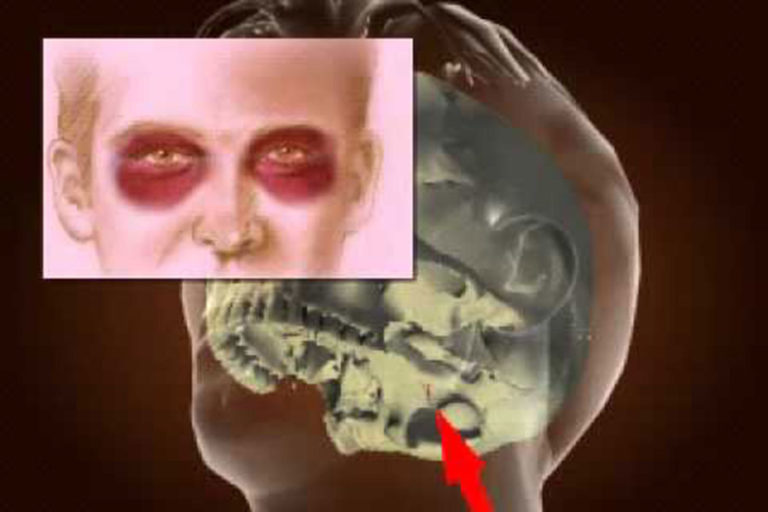
1. Dating bruises – bruises cannot be dated by color. IF yellow can be identified, one can determine that the bruise is at least 18 hours old. All other colors can be observed from the first…

Individuals with FASD have difficulty with assessment, judgment, and reasoning, and often repeat the same mistakes multiple times because of their disabilities. They also do not understand the consequences of their actions. These behavioral impairments…

The most serious and most common cause of mental retardation in the U.S. is fetal alcohol syndrome. The effects of FASD depend on the timing and frequency of alcohol consumption during the pregnancy. Some of…

If a woman drinks alcohol during her pregnancy, regardless of timing and amount, she is at risk of having a child with a FASD. Alcohol can affect an embryo before a woman knows she is…

Prenatal alcohol exposure is the single leading preventable cause of neuro-developmental disorders (Zagorski, 2015). Fetal alcohol spectrum disorder (FASD) is a blanket term for a number of effects that can occur in an individual who was…

Legal implications – civil: Non-traumatic intracranial hemorrhage (stroke): For cases involving warfarin or Coumadin- was the patient’s lab work such as PT/INR adequately monitored? If the patient was suffering from Coumadin toxicity, what was the…

Types of hemorrhage Epidural hemorrhage is bleeding between the skull and outer covering of the brain, the dura matter. Epidural hemorrhages are frequently caused from a blunt trauma from an assault, fall or other accident. …
Submit New Case:


Sign Up For: