Methamphetamine in Combination with Other Drugs and Violent Behavior

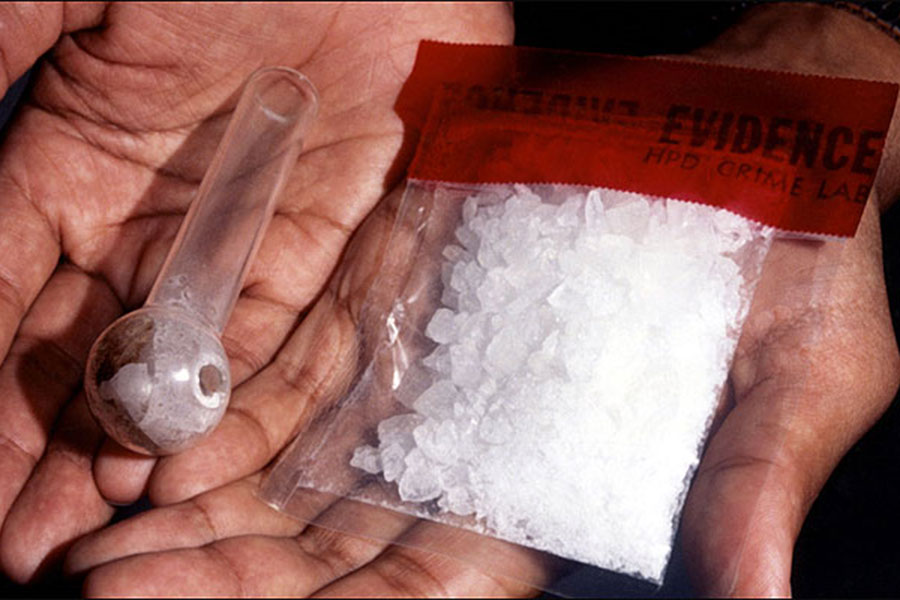
Methamphetamine Usage Methamphetamine (meth) is a widely used, powerful stimulant which acts upon the central nervous system. Other names for meth include speed, crank, ice, crystal, and glass. It gives the user a sense of well-being, increased alertness, and energy but it is highly addictive and can cause serious harm to both mental and physical […]
Detecting Methamphetamine : Toxicology Time Window

Detection Time of Methamphetamine: Compared to cocaine, methamphetamine’s effects can be more intense and last longer. The half-life for methamphetamine (the time period required for the body to decrease the blood level of methamphetamine by 50%) ranges from 6- 20 hours. The time window for detecting methamphetamine will depend on both testing factors and individual […]
Concentration and Metabolites: Methamphetamine

Blood concentrations for methamphetamine use as a prescribed medication are typically in the range of .02-.05 mg/L for a person taking methamphetamine prescribed for attention deficit disorder, weight loss or narcolepsy. Drug abuse with methamphetamine yields blood levels as low as .01 mg/L and 2.5 mg/L. Levels above 3.0 mg/L have been documented and are […]
Methamphetamine: Screening

Screening: Methamphetamine is typically detected through urine and blood screens that offer positive or negative (“qualitative”) results. A positive result on a screen often leads to a confirmatory test that will use more sophisticated laboratory tests which can quantitate the concentration of the drug and drug metabolites. Interpreting screening and confirmatory testing results can be […]
Meth: What triggers a drug screen?
Methamphetamine use has physical manifestations that heighten suspicion of use and lead to a drug screen. The category of stimulants, which includes methamphetamine, methylphenidate and cocaine, all produce dilation of pupils and the pupils appear abnormally large. Unlike sedatives, stimulants do not cause gaze nystagmus (jerky eye movements that become apparent when a person looks […]
MDMA / Molly: Legal Implications

Molly is in the same Schedule I category of illegal drugs as heroin, LSD and marijuana. In 2010 the U.S. government initiated severe fines and lengthy jail time for those discovered manufacturing and/or distributing ecstasy. Those penalties are increased substantially if death or serious injury occur to the user of that manufactured drug. In a […]
Dangers of Molly / MDMA

MDMA addiction poses a danger as life threatening symptoms develop including irregular heart rhythms, high blood pressure that can lead to a heart attack or stroke, bleeding in the brain, organ damage and hyperthermia. Hyperthermia is an extreme elevation in body temperature that causes organs to shut down, possibly leading to death. Molly is a […]
MDMA / Molly: Use & Effects

Referred to as ecstasy, the love drug, lover’s speed, X, and Molly (short for molecule), this drug can be used in powder form for snorting or smoking; or most commonly through oral ingestion as a capsule, pill or through parachuting. Parachuting involves wrapping the substance in a pouch; swallowing the pouch; and allowing for slow […]
MDMA / Molly: Overview

The substance, 3, 4-methylenedioxymethamphetamine (MDMA) was first synthesized in Germany in the early 1900s by Merck and Co. At that time there was no defined medical use for the product. Through time studies began to show that this substance produced feelings of empathy, peacefulness and heightened senses of love and trust. Thus, health professionals began […]
Methamphetamine: Detection, Treatment and Rehabilitation

Detecting meth within a user’s body can be measured in several ways. Hair and saliva testing can be performed; but the most common methods are urine and blood sampling. Toxicology screens are typically used for those patients who are unable or unwilling to communicate the substance used. Body imaging such as abdominal scans are ordered […]