Continuing Legal Education
CLE Request
Request a presentation or webinar from our forensic nursing experts.
Tara’s presentation on Strangulation was the best one I saw last year.

This presentation teaches about the injuries that can result from Abusive Head Trauma (AHT), formerly known as Shaken Baby Syndrome. This presentation also covers related injuries such as fractures, retinal hemorrhages…

Medical Records can be daunting for any criminal attorney or investigator to review. The purpose of this CLE course is to assist attorneys in focusing their review of medical records and to focus on review of records that contain…
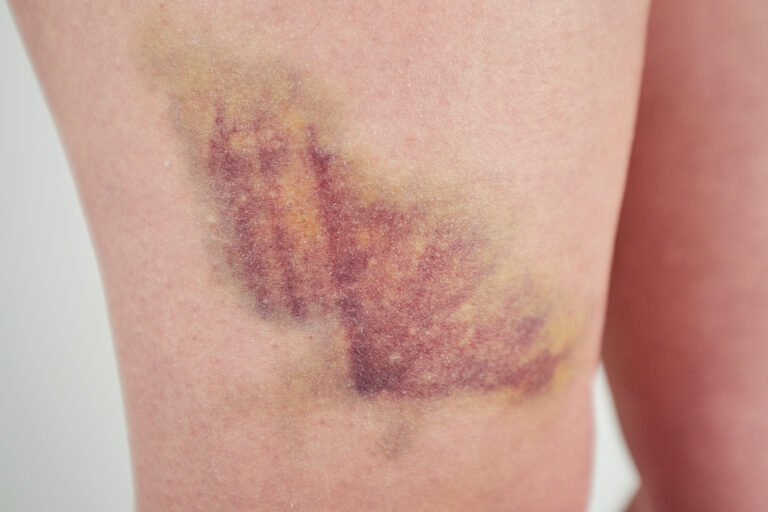
This CLE course is designed to teach about various injuries that result from Blunt Force Trauma. Bruises/Contusions, Abrasions, Lacerations and Avulsions are all discussed with definitions, examples and…

In approximately 50% of strangulation/suffocation cases, there is no visible sign of injury; in an additional 35% of cases the injuries are too minor to photograph. This attorney Continuing Legal Education course is…
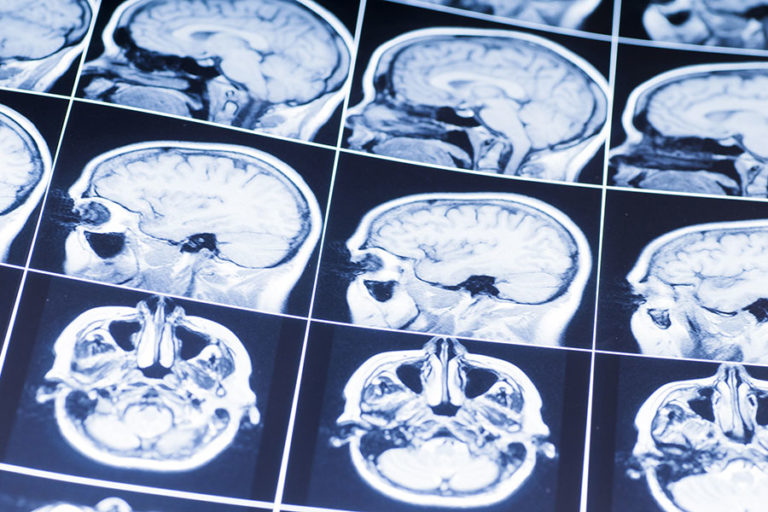
Attorneys and investigators will learn about the long-term effects of traumatic brain injury (TBI). This presentation also covers post-concussion syndrome, the cognitive, behavioral, and psychiatric issues that can result from TBI.
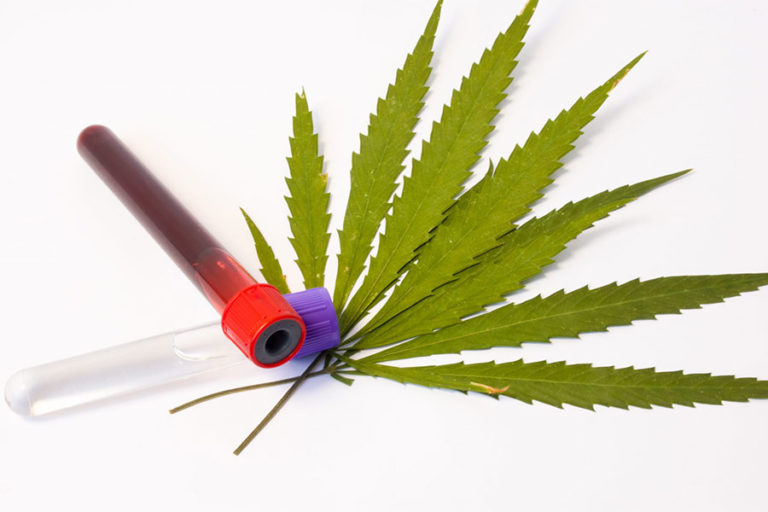
With the legalization of marijuana and the recent innovations in the delivery and ingestion of Cannabis in both psychoactive and non-psychoactive forms, there has been a surge of Cannabis related cases in the criminal arena…
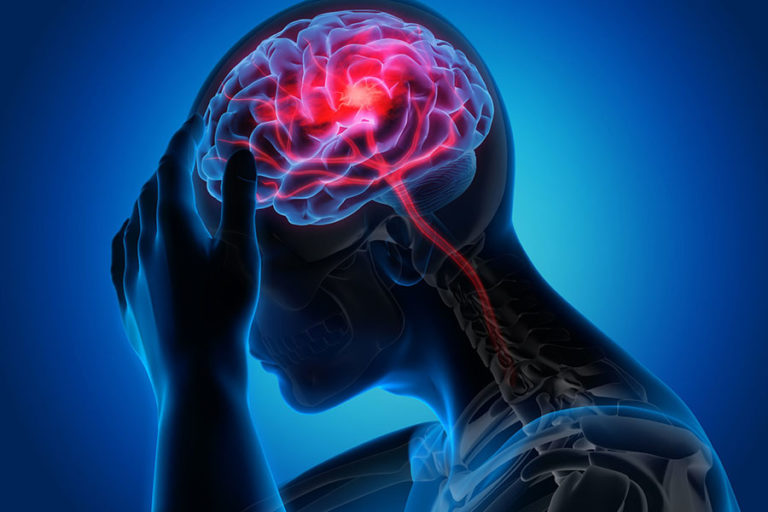
This presentation will cover the different types of Traumatic Brain Injuries (TBI) that result from trauma to the brain to build a foundation of how trauma affects the brain…

Almost every state has a penal code/statute that relates to the seriousness of the injuries sustained by a victim of a crime. Most states define it as Serious Bodily Injury; some have a lesser called Substantial Bodily Injury…

Medical records can be intimidating and tedious for any criminal attorney or investigator to review, especially when it comes to possible child abuse. This presentation will include an overview of the various types of child maltreatment, as well as other medical conditions that mimic abuse.

The presentation covers the role of SANEs in conducting forensic exams for sexual assault survivors. It discusses the training required to become a SANE, the components of a forensic exam…

This presentation provides an overview of forensic interviews conducted with children. It covers the qualifications and role of the forensic interviewer, the importance of creating a child-friendly environment…
This presentation dives into the fascinating- and often misunderstood- world of medical conditions that can mimic signs of abuse. This eye-opening webinar equips you with essential insights into how vitamin deficiencies, blood disorders…

This presentation provides an overview of how to analyze gunshot wounds from a medical and forensic perspective, and is geared towards assisting criminal attorneys and investigators. It covers the characteristics of entrance and exit wounds, the features of bullet tracks through the body, and key physical findings based on…

Alcohol is one of the major substances found in DUI cases. Understanding its effects can help determine if it is a factor in any traffic stop. This presentation is focused on DUI and how to handle testimony and pretrial considerations…

Human performance, when it comes to driving or operating any vehicle, is important in assuring the safety of individuals. When it comes to determining impairment, there are many things to consider…
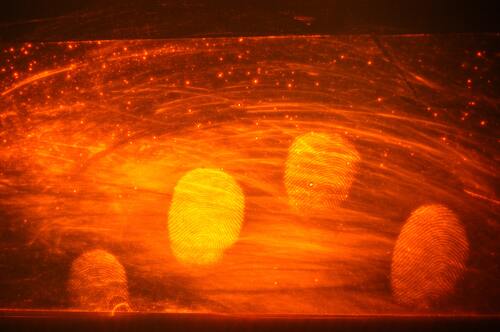
A summary of current evidence-based research into ALS photography and its current validity and testimonial value will be discussed. The…

This presentation is designed to teach attorneys and investigators about Pediatric growth faltering or under-nutrition, formerly, and commonly, known as Failure to Thrive (FTT). This presentation also covers signs and symptoms of FTT, medical conditions that can impact growth and weight gain, possible underlying etiologies and differential diagnoses, long term effects, and medical conditions that can mimic FTT.…

This presentation is designed to teach attorneys and investigators about the proper procedures that phlebotomists and nurses should follow when drawing blood for testing with a focus on DUI/DWI blood draws…
This presentation is designed to teach attorneys and investigators about the injuries that
encompass a diagnosis of Traumatic Brain Injury. This purpose of this presentation is to assist attorneys and investigators with a basic understanding of Traumatic Brain Injury and…
This presentation is designed to teach attorneys and investigators about the injuries that can result from Blunt Force Trauma, also known as non-penetrating trauma.

Exposure to drugs is a concern when considering concentrations in biological samples. Whether intentional, accidental, or medically necessary, exposure can happen in many ways.

This 50-minute presentation offers legal professionals essential insights into interpreting pediatric sexual assault examinations. Designed specifically for attorneys and investigators…

This presentation is designed to equip attorneys and investigators with essential knowledge about pediatric strangulation, emphasizing the unique considerations distinct from adult cases.

This presentation is designed to teach attorneys and legal professionals about Altered Levels of Consciousness (ALOC), its various causes, and assessment methods.
This presentation outline critically evaluate the historical and modern scientic foundation used to understand strangulation and its physiological effects. It highlights that much of the data currently used in legal and clinical settings- such as timelines for loss of conciousness (LOC) and pressure thresholds for vascular occlusion- rely on dated and potentially non-transferable research, including a 1943 military study on prisoners and 1897 cadaver experiments.
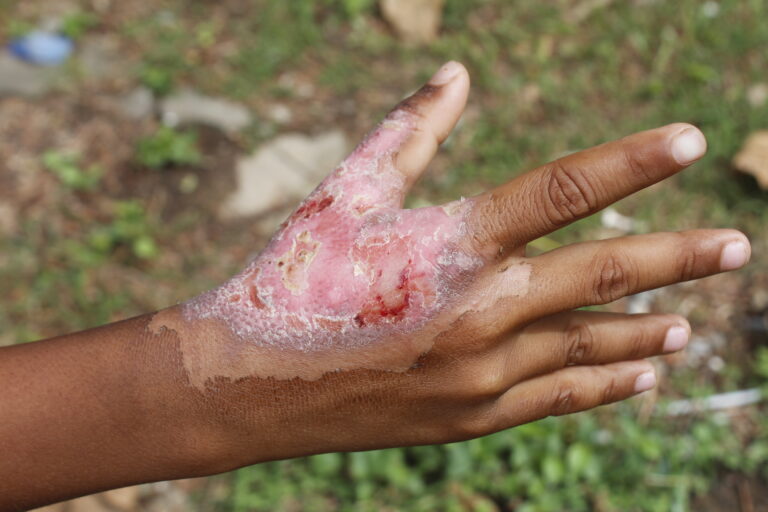
This presentation provides a comprehensive clinical overview of burn management, designed to equip legal professionals with the fundamental skills needed to assess and treat burn injuries effectively. Participants will explore the physiological role of the skin and its anatomical layers as a foundation for differntiating between burn depths and etiologies.
This educational presentation provides an in-depth analysis of alternate drug testing matrices- specifically hair, oral fluid, and sweat- and their practical applications within criminal law, with a brief overview of how these matrices also appear in civil and regulatory contexts.

This foundational session equips legal professionals with the critical framework necessary to navigate and deconstruct forensic medical evidence.

This session tackles the critical intersections where natural, accidental, or self-inflicted conditions are easily misread as homicidial accidents. Participants will develop pattern-recognition skills to review autopsy findings and identify common pitfalls in forensic interpretation.
Coming Soon
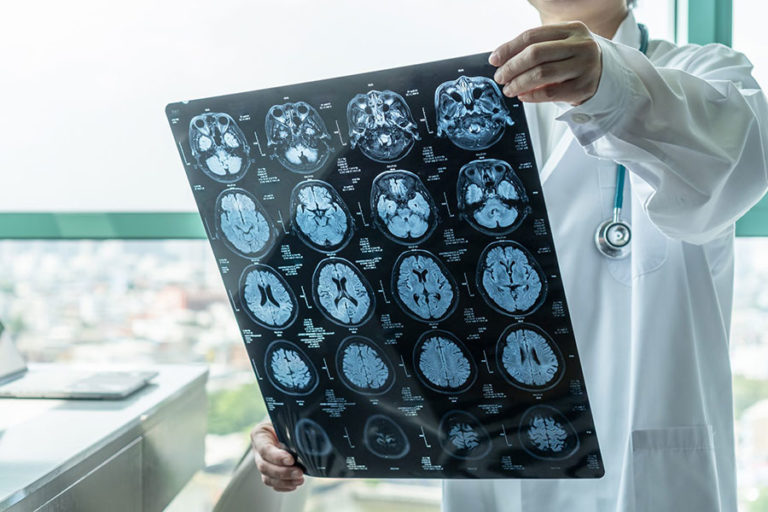
This presentation provides attendees with an essential, clinically grounded roadmap for navigating complex neurological evidence across criminal, civil, disability, and driving litigation. It strips away the medical jargon to clarify the distinctions between provoked and unprovoked events, focal and generalized seizures, and easily missed nonconvulsive “automatisms,”…
This specialized webinar provides legal professionals with an objective, evidence-based pharmacological framework for handling complex impairment questions in DUI, assault, custody, and homicide cases. Designed to separate medical reality from pervasive courtroom misconceptions, the presentation equips attorneys to distinguish the mere presence of a drug from actual clinical impairment using objective clinical signs.

This comprehensive webinar examines the critical physiological and legal risks associated with physical and chemical restraint techniques utilized across in-custody and correctional settings.
This presentation delivers an expert-led overview of childhood sexual abuse dynamics and the medical-forensic complexities involved in legal proceedings. It explores critical behavioral and psychological concepts, including the stages of sexual grooming, delayed disclosure, and the profound developmental and interpersonal impacts of abuse.

This is a short 15-minute review of the 12 steps in the Drug Recognition Examination (DRE) performed by specially trained police officers.