What a criminal attorney needs to know about brain injuries.
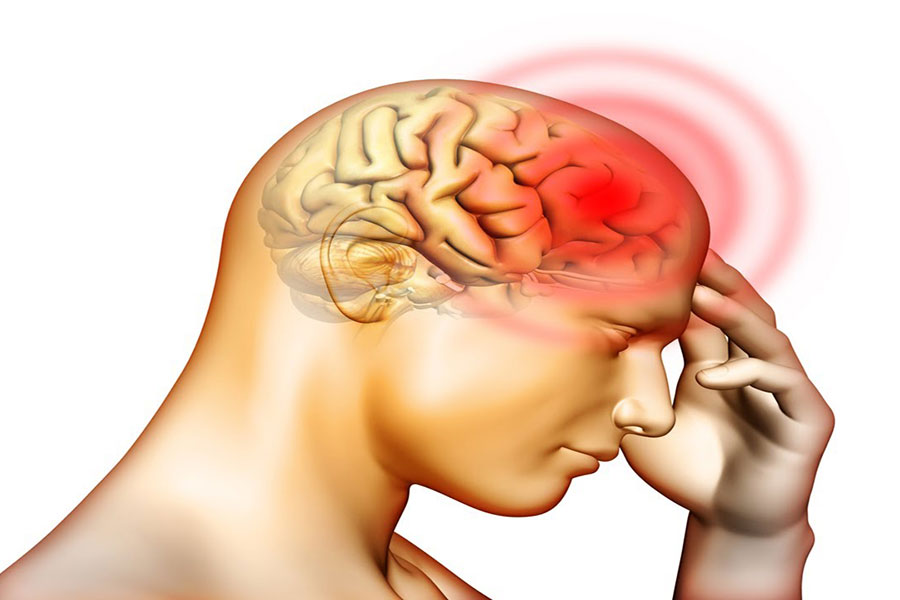
In April, I covered delirium and noted that there are many underlying etiologies that can cause it. One of those underlying causes is brain injuries, or intracranial processes such as stroke, tumor or traumatic injury. Symptoms of certain intracranial processes are not always immediately apparent or obvious to the person being affected or even their […]
Delirium: What role does it play in criminal cases? {DUI/Gen Med}
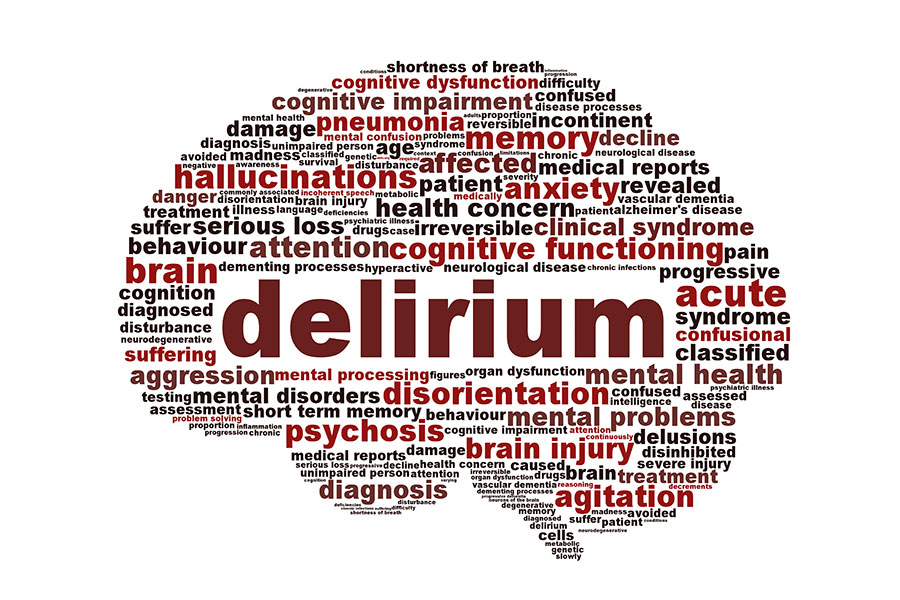
In many of our cases we come across symptoms of delirium and are asked to determine if they are due to the assumed etiology, like alcohol or drug intoxication; or from something else, like seizures, or traumatic brain injury. So, this month I’d like to do an overview of delirium and its potential causes, and […]
5 things criminal attorneys should know about…Bruises

This is the last in the “5 things criminal attorneys should know about…” series where I highlight some areas of medicine that often cross into the criminal fields. This is not meant to be an in-depth review, but rather just bullet pointed facts. If you have any subject requests let me know! [sep]For this month […]
5 Things Criminal Attorneys Should Know About…Pressure Ulcers
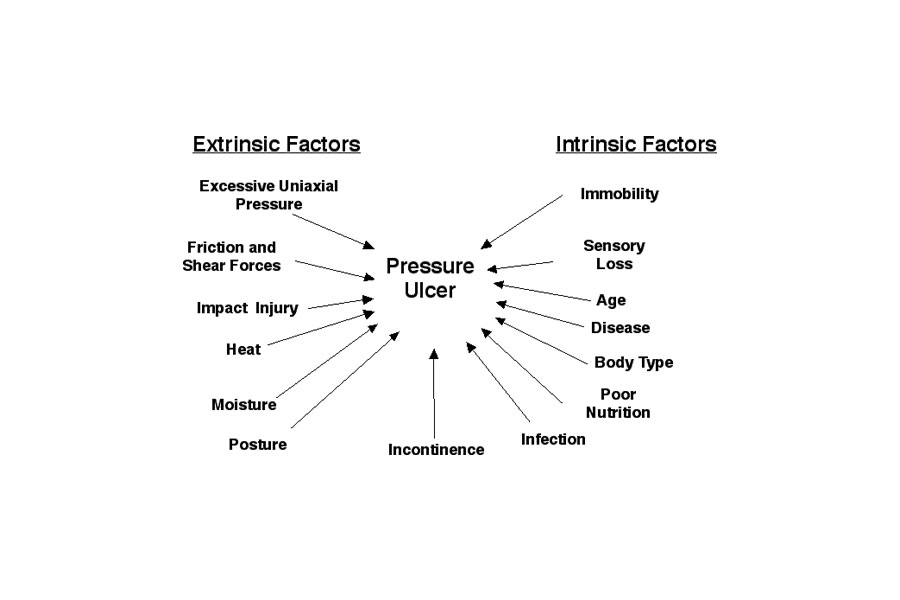
We’ve been republishing a series called “5 things criminal attorneys should know about …” where we highlight some areas of medicine that often cross into the criminal fields. The topic of Pressure ulcers was not originally in the series but it is definitely relevant. Cases in which Elder abuse and neglect is charged can be […]
When does in-home caregiving turn into Elder Abuse/Neglect?
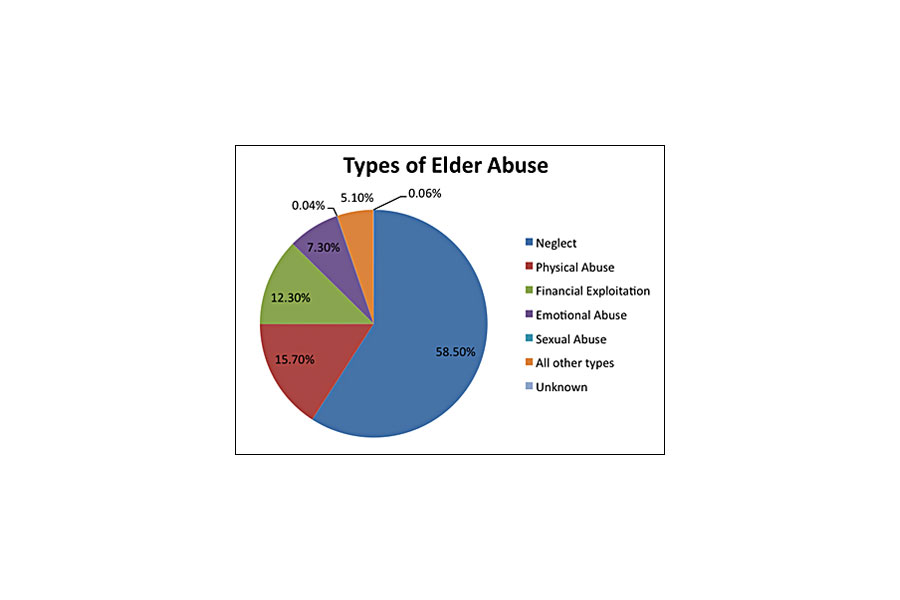
In many criminal cases, Adult Protective Services and the police are called because a patient arrives at the hospital with multiple and severe wounds called pressure ulcers. They often are septic because the wounds have gotten infected and in the elderly it leads to an altered mental state very rapidly. This leads to an investigation […]
Bruises: 5 Things Every Criminal Attorney Should Know

1. Dating bruises – bruises cannot be dated by color. IF yellow can be identified, one can determine that the bruise is at least 18 hours old. All other colors can be observed from the first minute until the bruise heals. 2. Raccoons eyes – bilateral black eyes. Can be a result of a skull fracture […]
What to ask if you have a brain bleed case

Legal implications – civil: Non-traumatic intracranial hemorrhage (stroke): For cases involving warfarin or Coumadin- was the patient’s lab work such as PT/INR adequately monitored? If the patient was suffering from Coumadin toxicity, what was the treatment? Was the blood pressure controlled according to guidelines? Did the patient develop hemorrhage after receiving treatment for ischemic stroke? […]
What are three main kinds of brain bleeding?

Types of hemorrhage Epidural hemorrhage is bleeding between the skull and outer covering of the brain, the dura matter. Epidural hemorrhages are frequently caused from a blunt trauma from an assault, fall or other accident. Approximately 17% of patients with epidural hemorrhage will deteriorate to coma following trauma. A subdural hematoma is a collection of […]
Is trauma the only cause of intracranial hemorrhages?
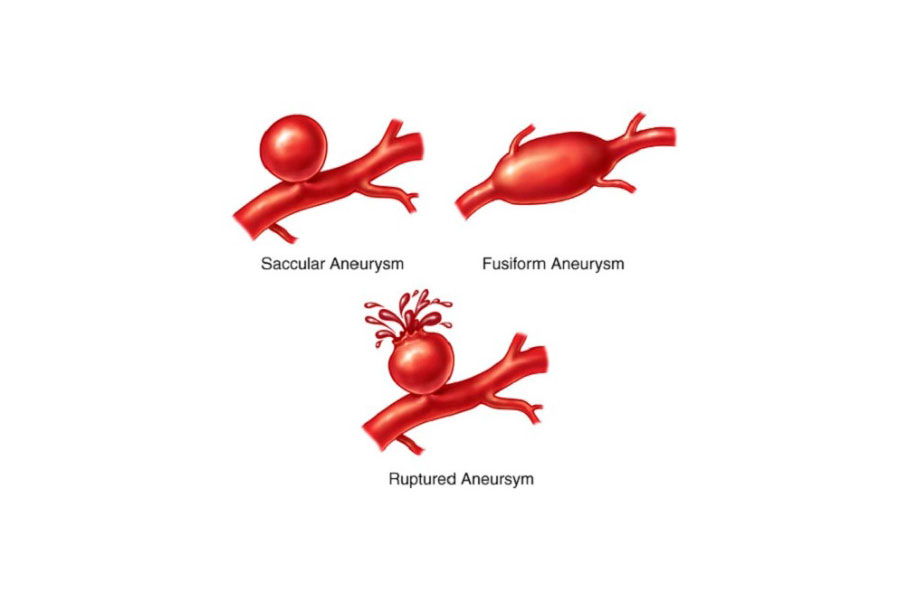
Causes: Non-traumatic Intracranial hemorrhage may have traumatic and non-traumatic causes. One non-traumatic cause is hemorrhagic stroke which accounts for 8%-13% of all strokes. Hemorrhagic strokes often have a poor prognosis resulting in death or major disability. Hypertension is the most common cause of non-traumatic intercerebral hemorrhage because it causes damage to the blood vessels in the […]
What is an Intracranial Hemorrhage?

Intracranial hemorrhage is an accumulation of blood inside the skull; in or around the brain that can have traumatic and non- traumatic causes. Bleeding may occur in the brain parenchyma (intercerebral) or in the surrounding coverings on the brain. The accumulation of blood inside the skull causes pressure on the brain and decreased circulating blood flow, […]