What Are The Long-Term Effects of Repetitive Head Trauma?

Traumatic Brain Injury in Criminal Cases After Traumatic Brain Injury (TBI), people can experience personality changes, social anxiety, irritability, anger, depression, general anxiety, mood swings, emotional lability, and feelings of being overwhelmed. The bottom line is that the brain no longer functions exactly the way it did prior to the head injury. The location of […]
Does Childhood Trauma Lead To Criminal Behavior?

How Adverse Childhood Experiences (ACEs) Relate to Criminal Behavior This article is the first in a series about the effects of stressful and traumatic events in a child’s life and its relationship to the likelihood of this child committing serious, violent crimes later in life. These events can include such things as physical abuse, sexual […]
How Alternative Light Sources Are Used In Forensics

Alternative Light Sources and Their Effectiveness in Enhancing the Visibility of Injuries History of ALS A fairly new science has emerged within the past 70 years regarding the use of alternative light sources (ALS) to enhance the visibility of injuries, being used in forensics starting around 1990. There has been research done on this topic, […]
Actinic (Senile) Purpura and Its Imposters

Often in assault or abuse cases, the victim is elderly. When evaluating these cases, it is prudent to retain a medical expert to review the discovery and determine if the injuries are consistent with contusions from trauma or are senile purpura. Contusions (bruises) can have a similar appearance to purpura, but contusions occur because of […]
Pathological Fractures in Spinal Cord Injury Patients

What is a pathological fracture? Spinal cord injuries cause life-altering paralysis of the limbs and place the patient at risk for long term complications, including pathological fractures. A pathological fracture is a broken bone that is caused by disease, rather than injury. After a person suffers a spinal cord injury, they have immediate bone loss […]
The Characteristics of Bruises

What Affects the Appearance of a Bruise? Bruising is one of the most common types of physical injury observed in victims of violence, assault, and abuse. There are several factors that affect a bruise’s appearance, such as: Tissue type Loose connective tissue type sites, such as the eye, face, and genitalia show more bruising. Fat […]
Physical Abuse or Easy Bruising?

PHYSICAL SIGNS OF ABUSE When searching “physical signs of abuse,” many journals and websites list the following physical characteristics: Bruises Cuts Burns Restraint or grip markings Black eyes Unusual pattern of injury Repeated trips to the Emergency Department ….with “bruises” often listed first since most are caused by physical injury. However, there are underlying conditions […]
Visualization of Old Bruises in Children

Ultraviolet Radiation and Forensics In forensics, ultraviolet radiation is used to enhance injuries of the skin. It has been reported that ultraviolet radiation can help visualize an old bruise and can also estimate the shape of the object that caused the bruise. For example, where bruising was faint, old and difficult to recognize, ultraviolet radiation […]
Aging a bruise on Autopsy
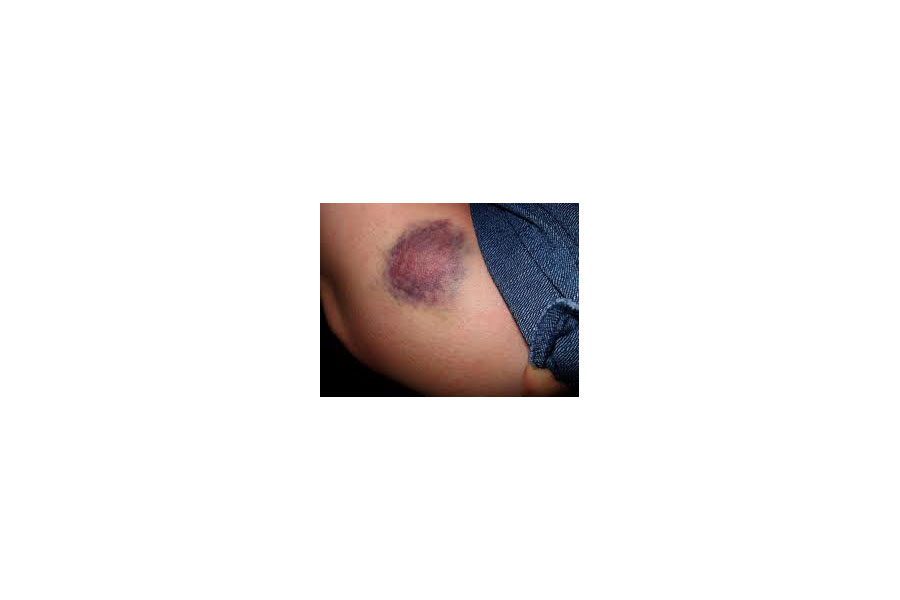
Those of you who follow me know I have several posts about how you can’t date bruises by color, but there is emerging literature to show that bruises can be dated on tissue analysis: How can a bruise’s age be determined if not by color? Once the bruise is formed, the body reacts by activating […]
Infection, Delirium, and Homicide
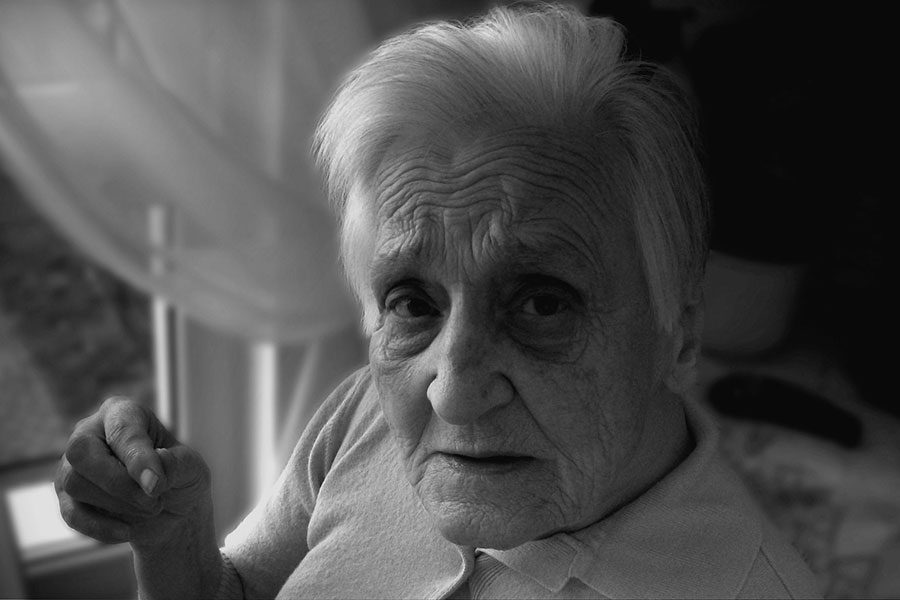
In April, I covered delirium and noted that there are many underlying etiologies that can cause it. One such etiology is infection. Infection and our body Our bodies are constantly fighting infections. Our skin is the first barrier, but we are often exposed to pathogens through open wounds, our respiratory system, or our mouths. Most […]