Can One Punch Kill? {Assault/Trauma}
A review of medications and medical history can play a critical role in any case with traumatic injuries.
Many times, a police officer will interview a defendant after a fight or a car wreck where the person being interviewed has suffered head trauma. What the police officer may not understand is that even…
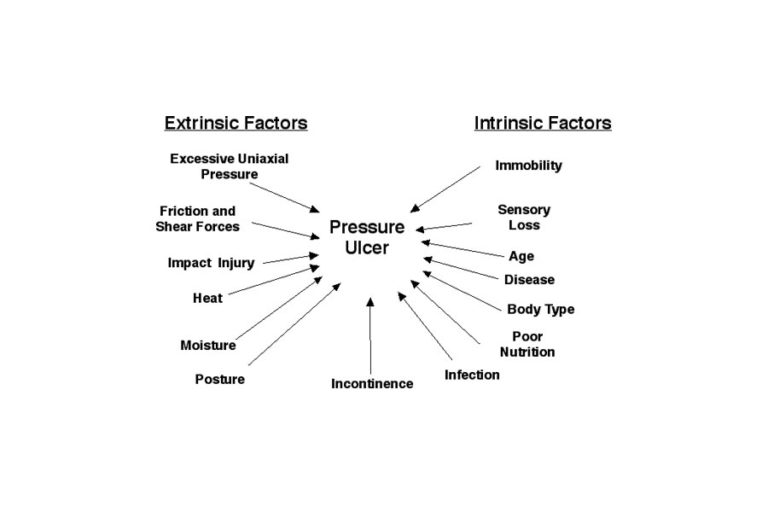
In many criminal cases, Adult Protective Services and the police are called because a patient arrives at the hospital with multiple and severe wounds called pressure ulcers. They often are septic because the wounds have…
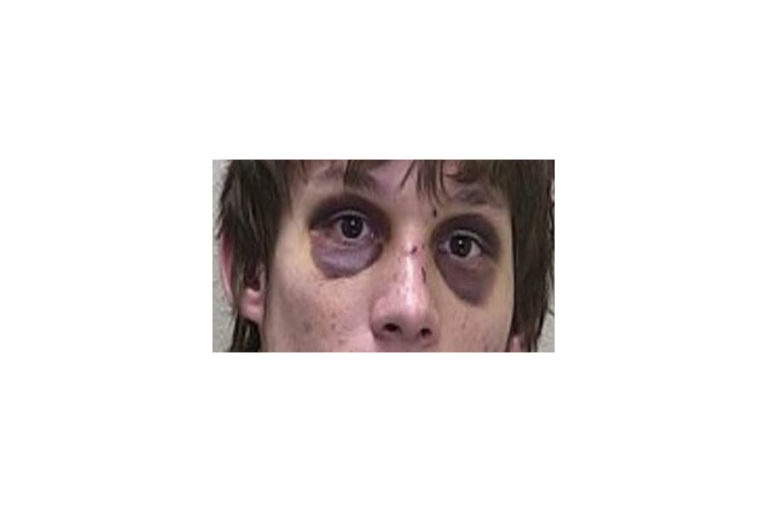
Two Black Eyes, also known as Raccoon’s eyes, is a sign of a skull fracture and does not necessarily indicate blunt force trauma to the face. Because this type of skull fracture is often missed…
Was the Defendant Drunk or Concussed? If a person who is charged with a DUI and has a concussion, a review of the medical records by an expert can determine if the defendant has either:…
Child abuse cases are emotionally driven for everyone involved. Expert review for both sides is imperative to ensure that the facts of the case are brought to light. The healthcare providers are emotionally connected to…
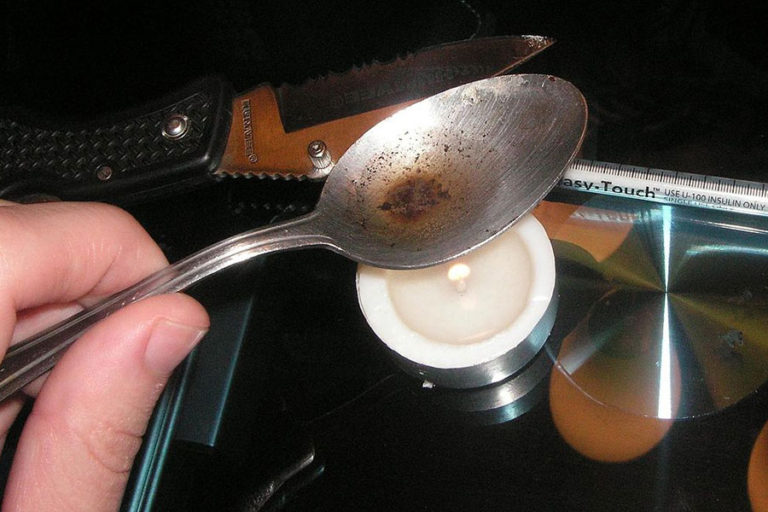
“What symptoms of Heroin withdrawal would affect the defendant’s ability to form intent?” Heroin use is a common thread within the criminal system and can become relevant in cases where the defendant’s ability to form…
I am often called to testify in assault cases in which great bodily injury is an enhancement. In these cases I try to determine the severity of the injury based off of the medical records…
Blood Draws I just got back from the DUI Defense Lawyers Association’s Mile High Summer Seminar 2016 in Denver where I presented on Medically Acceptable Blood Draws. The case law for this issue is from…
Detection Time of Methamphetamine: Compared to cocaine, methamphetamine’s effects can be more intense and last longer. The half-life for methamphetamine (the time period required for the body to decrease the blood level of methamphetamine by…
Blood concentrations for methamphetamine use as a prescribed medication are typically in the range of .02-.05 mg/L for a person taking methamphetamine prescribed for attention deficit disorder, weight loss or narcolepsy. Drug abuse with methamphetamine…
Screening: Methamphetamine is typically detected through urine and blood screens that offer positive or negative (“qualitative”) results. A positive result on a screen often leads to a confirmatory test that will use more sophisticated laboratory…