Prisoner or Patient?

Are Correctional Facilities Adequately Caring for the Health of Their Inmates? According to the American Academy of Family Physicians (AAFP), incarcerated individuals are “disproportionately affected by chronic health conditions, mental illness, and substance abuse. However, they tend to receive inadequate healthcare before, during, and after incarceration or detention, further exacerbating their disadvantage.” As of 2016, […]
Alcohol Intoxication or Medical Issue?

Alcohol, trauma, or underlying medical condition? The legal limit of blood alcohol content is set by the US Department of Motor Vehicles at 0.08%. However, not everyone presents the same way clinically, as different individuals have different tolerance levels depending on their level of regular alcohol use. Even the liver eliminates alcohol from the body […]
Methamphetamine in Combination with Other Drugs and Violent Behavior

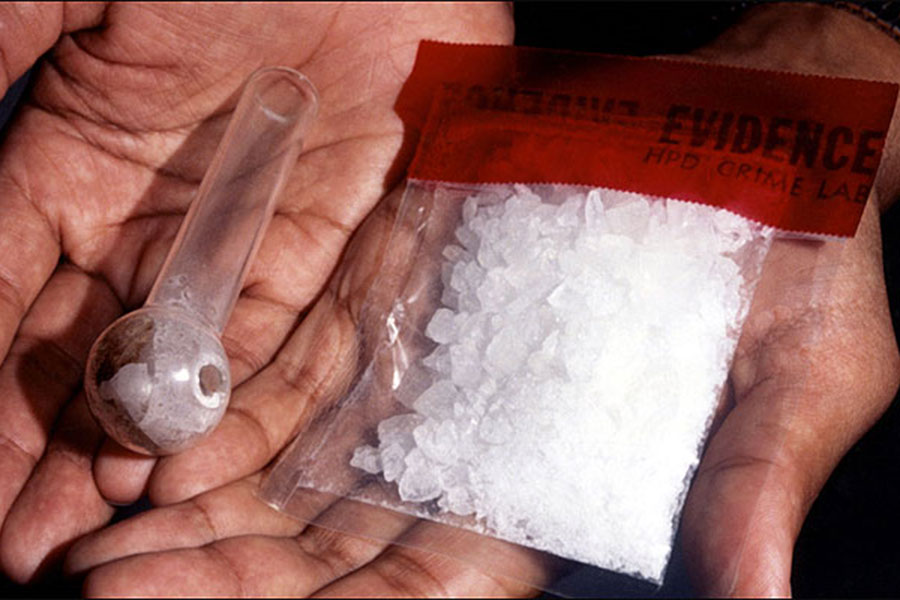
Methamphetamine Usage Methamphetamine (meth) is a widely used, powerful stimulant which acts upon the central nervous system. Other names for meth include speed, crank, ice, crystal, and glass. It gives the user a sense of well-being, increased alertness, and energy but it is highly addictive and can cause serious harm to both mental and physical […]
Fentanyl: An involuntary intoxication defense?

A strange occurrence at a Massachusetts hospital Articles by Forensic Magazine and New England Journal of Medicine (NEJM) Between 2012 to 2016, fourteen patients showed up at a Massachusetts hospital with a strange problem. All 14 patients had developed amnesia and cognitive problems with orientation and attention. In addition, they all had a strange lack […]
Involuntary Intoxication when mixing Cocaine and Alcohol…? {MH/Tox}
What if someone knows how cocaine affects them, and they know how alcohol affects them, but not how they can affect them when taken together? The use of both cocaine and alcohol together results in a unique metabolite called cocaethylene. This metabolite stays in the system longer and prevents the reuptake of dopamine resulting in […]
5 Things Criminal Attorneys Should Know About…Loss of Consciousness

This is the 4th out of 6 in this series of “5 things criminal attorneys should know about…” which I first posted a few years ago. Each month I highlight some areas of medicine that often cross into the criminal fields. This is not meant to be an in-depth review, but rather just bullet pointed […]
5 Things Criminal Attorneys Should Know About…Seizures

For the next few months I’ll post “5 things criminal attorneys should know about …” and highlight some areas of medicine that often cross into the criminal fields. I did this series a few years ago and I think it’s time to do a little refresher. This is not meant to be an in-depth review, […]
Benzodiazepines “Downers” {Mental Health/Toxicology}

Benzodiazepines, or “Benzos” are a class of drug that commonly pop up in the criminal cases that we review. These sedative “Downers” are commonly prescribed for a variety of maladies; knowledge about the side effects and normal levels is beneficial when they are a major, or even minor, component of a criminal case. Benzodiazepines affect […]
Heroin Withdrawal and Intent {Mental Health/Toxicology}

“What symptoms of Heroin withdrawal would affect the defendant’s ability to form intent?” Heroin use is a common thread within the criminal system and can become relevant in cases where the defendant’s ability to form intent is in question. Heroin intoxication is often the focus but withdrawal should also be considered. What follows is a […]
Detecting Methamphetamine : Toxicology Time Window

Detection Time of Methamphetamine: Compared to cocaine, methamphetamine’s effects can be more intense and last longer. The half-life for methamphetamine (the time period required for the body to decrease the blood level of methamphetamine by 50%) ranges from 6- 20 hours. The time window for detecting methamphetamine will depend on both testing factors and individual […]