
Soft Tissue Injuries- Part 1
This 3-part series explores soft tissue injuries through the lens of criminal law, offering attorneys insights into the distinct challenges these cases often present. It will also highlight potential arguments that may arise during negotiation. In this first edition, we examine the fundamentals of soft tissue injuries, including how to distinguish between sprains and strains and their common symptoms! Subsequent editions will delve into treatment approaches, and key considerations for evaluating soft tissue injury claims.
The Basics of Soft Tissue Injury
Although soft tissue injuries may not be immediately visible, they can significantly affect physical function and quality of life. These injuries—such as sprains, strains, and contusions—can lead to chronic pain or long-term limitations if not properly addressed. Grasping the nature and consequences of soft tissue injuries is crucial when building a criminal case involving assault or a motor vehicle collision. This knowledge helps you recognize how these injuries may be evaluated, challenged, or defended during negotiations, ensuring you’re well-prepared to advocate for fair compensation.
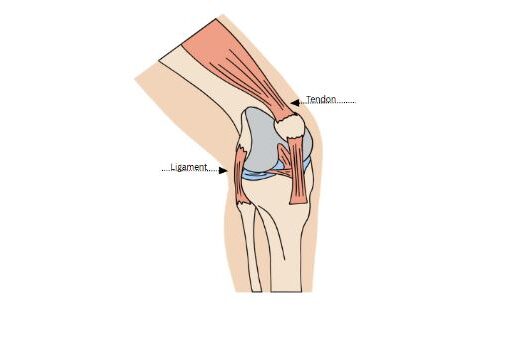
The musculoskeletal system consists of muscles, tendons, and ligaments—all working together to support the skeletal framework. Tendons connect muscles to bones, while ligaments link bones to one another at the joints (Cleveland Clinic, 2025). When a muscle or tendon is overstretched or subjected to excessive force—whether from a fall, physical activity, assault or a blunt force trauma—it can result in a strain. Strains are most common in the back, neck or leg regions (Jocelyn Ross Wittstein, 2025). In contrast, when a ligament is overstretched beyond its capacity or torn, it compromises joint stability and leads to a sprain (Cleveland Clinic, 2025). Sprains are most common in the wrist and ankles (Jocelyn Ross Wittstein, 2025).
The severity of the sprain or strain is determined by how overstretched the tendon or ligament is and if a tear has occurred. A first-degree strain/sprain indicates that the tissue has been pulled but not torn. A second-degree strain/sprain indicates that the tissue has been partially torn but not completely severed. A third-degree strain/sprain indicates that the tissue has been completely torn through and may require surgical interventions (Cleveland Clinic, 2025).
When the muscle endures an injury like overstretching, or a blunt force trauma, blood vessels can break causing a discoloration under the skin – a contusion. Contusions may not always be visible to the naked eye, but can be incredibly painful, limiting, and long lasting if not taken care of properly (Cleveland Clinic, 2025).
Symptoms of Soft Tissue Injury
The symptoms associated with soft tissue injuries can appear immediately after or be delayed from the time the injury occurred. It is common for contusions and bruising to appear 24-48 hours after the injury has occurred (Sankhla, 2023). Usually, the more severe the injury the sooner symptoms will appear.
The most common symptoms include:
- Pain
- Swelling or knot at the site
- Muscle spasms or weakness
- Stiffness or loss of range of motion
- Joint instability
- Contusion
Although soft tissue injuries may appear minor at first, seeking medical attention is essential—even when symptoms are mild—to rule out potential complications involving the nerves or spinal cord.
Possible complications in addition to the common symptoms of soft tissue injury include:
- Blood vessel damage: severely damaged blood vessels causing internal bleeding
- Nerve damage: compressed the nerves from the swelling can temporarily causing interference with sensory and motor signals between the brain and affected body part
- Compartment syndrome: severe swelling within a muscle compartment that can lead to loss of limb. This complication will require emergent medical attention!
- Contractures: soft tissue tights and contracts resulting in the tissues not being able to move appropriately
- Chronic joint instability: the surrounding tissues to the injury over compensate during healing for the injured tissue and can become weakened and less functional
- Heterotopic ossification: scarring where bone tissue develops within the soft tissue (Cleveland Clinic, 2025).
Works Cited
Jocelyn Ross Wittstein, M. F. (2025, October). Sprains, Straings and Other Soft Tissue Injury. Retrieved from OrthoInfo: https://orthoinfo.aaos.org/en/diseases–conditions/sprains-strains-and-other-soft-tissue-injuries/
Sankhla, N. (2023, December 14). Soft Tissue Injury. Retrieved from MobilePhysioTherapyClinic: https://mobilephysiotherapyclinic.net/soft-tissue-injury/#SymMobilePhysioTherapyClinicms_of_soft_tissue_injuries
Soft Tissue Injury. (2025, February 21). Retrieved from Cleveland Clinic: https://my.clevelandclinic.oCleveland Clinicrg/health/diseases/soft-tissue-injury
November’s Open Webinars
THC/ Cannabis Toxicology: Recognizing Impairment- Click here to register
(Brand new topic!) Critical Call: Separating Injury from Illness in Pediatric Trauma- Click here to register
Thanksgiving Week: No Webinar. Please enjoy the time with your family!
Don’t miss our newsletter! Topics covered are:
Assault / Trauma
DUI / General Medical
Child & Elder Abuse / Neglect
Mental Health / Toxicology
Sign up here.