Elder Abuse and Pressure Injuries
When does in home caregiving turn into abuse or neglect?
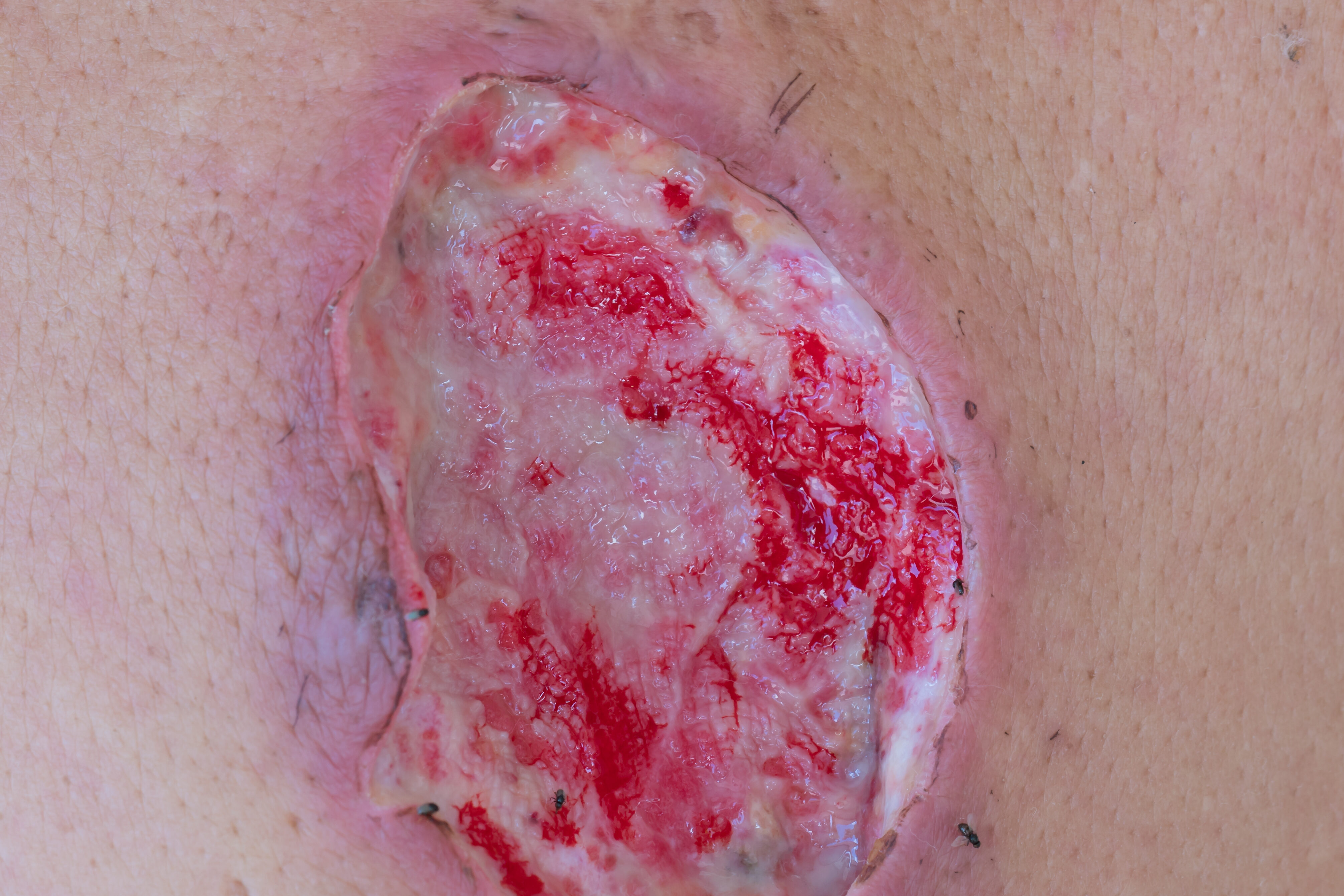
In many criminal cases, Adult Protective Services and the police are called because an elderly patient arrives at the hospital with multiple and severe wounds called pressure ulcers- localized areas of damaged skin and tissue, often over a bony prominence, resulting from pressure or a combination of pressure and shearing motions (Dan Berlowitz, 2026). If the patient presents with pressure injuries that are inadequately explained, occur in unusual locations (like the head, neck, ear, or torso), show signs of inadequate care of pressure injuries, or have varying stages of pressure injuries suspicions of abuse and neglect would indicate a need for an investigation (John Halphen, 2025).
A review of the medical history and the investigation report by a medical expert is key in determining if the care provided by the family or caregiver constitutes abuse or neglect. Key questions that need to be answered include:
- What risk factors does the patient have?
- Advanced age, compromised circulation, immobility fecal or urinary contamination increase the risk for impaired wound healing (Armstrong & Meyr, 2026).
- Does the patient suffer from dementia?
- Dementia not only increases the risk for elder abuse and neglect, but also self-neglect (John Halphen, 2025). When patients have cognitive impairment and caregivers are unable to manage dementia-related behaviors, immobility and poor hygiene may develop, leading to pressure injuries and delayed wound healing.
- When was the last time the patient was seen by any caregiver?
- Historically, the National Pressure Injury Advisory Panel recommends turning the patient every two hours to prevent pressure injuries, however a schedule should consider the individual’s level of activity and ability to reposition independently (Turning and repositioning, 2024).
- What could the caregiver(s) have done differently?
- When caregiver presence is limited to 2–4 hours per day, complete prevention of pressure injuries may not be feasible; therefore, caregivers must be able to recognize early skin breakdown and promptly coordinate medical evaluation for treatment orders.
- Was the caregiver trained to recognize the early signs of pressure ulcers?
- Pressure ulcers in the first stage are simply red areas of the skin. It is unlikely that an untrained caregiver will recognize the ulcer at this stage.
- Did the required duties put them in a position of being able to recognize a problem?
- When caregiver responsibilities are limited to meal preparation and household tasks, opportunities to identify pressure ulcers may be missed.
Conclusion:
There is a common but misguided assumption regarding in-home caregivers for elderly or disabled patients: that they are trained to recognize medical conditions such as pressure ulcers or sepsis, and that they can prevent these conditions from occurring. In reality, caregivers are typically present for only 2–4 hours per day to assist with routine activities, such as cooking and cleaning, and may not be available every day. The model of in-home care is designed for individuals living independently with minimal support for activities of daily living; patients requiring around-the-clock care are not eligible for this type of service.
Works Cited
Armstrong, D., & Meyr, A. (2026, January 28). Clinical assessment of chronic wounds. Retrieved from UptoDate: https://www.uptodate.com/contents/clinical-assessment-of-chronic-wounds?search=pressure%20ulcer%20and%20diabeteds&source=search_result&selectedTitle=1~150&usage_type=default&display_rank=1
Dan Berlowitz, M. M. (2026, January 08). Clinical Staging and general management of pressure induced skin and soft tissue injury. Retrieved from UptoDate: https://www.uptodate.com/contents/clinical-staging-and-general-management-of-pressure-induced-skin-and-soft-tissue-injury?search=pressure%20ulcer&source=search_result&selectedTitle=1~150&usage_type=default&display_rank=1
John Halphen, M. J. (2025, November 17). Elder abuse, self neglect, and related phenomena. Retrieved from UptoDate: https://www.uptodate.com/contents/elder-abuse-self-neglect-and-related-phenomena?search=elder%20abuse&source=search_result&selectedTitle=1~16&usage_type=default&display_rank=1
Turning and repositioning. (2024). Retrieved from Medline: https://www.medline.com/media/assets/pdf/OTH_SH_Turning_Repositioning_ebook.pdf
February’s Open Webinars
Abusive Head Trauma: What we know about shaken baby syndrome- Click here to register
Human Performance Toxicology: Determining Driver Impairment- Click here to register
The ABC’s of BFT: Abrasions, Bruises, and Contusions Demystified- Click here to register
Strangulation: Evaluating Strangulation Evidence from a Medical Perspective – Click here to register
Don’t miss our newsletter! Topics covered are:
Assault / Trauma
DUI / General Medical
Child & Elder Abuse / Neglect
Mental Health / Toxicology
Sign up here.