Traumatic Injury Categories

Traumatic injuries can be caused by either blunt force trauma or sharp force trauma. Sharp force trauma is a broad category that covers a large group of objects that could cause these injuries. Objects such as a knife, a razor blade, a broken bottle, or even the metal lid of a can of dog food […]
Do the Right Thing
Radiologists should follow guidelines developed by the American College of Radiology regarding such things as ambient light levels, monitor resolution and luminance, and certain components of the reports themselves such as differential diagnosis and suggestions for further imaging. Furthermore, mammography is federally regulated by FDA under the Mammography Quality Standards Act (MQSA). If there have been deviations from these standard […]
Timing is Everything

Experienced radiologists have reviewed an enormous number of images which generates a vast internal database; radiologists have the best chance to assess the timing of pathology such as fractures, strokes, and bleeds by comparing the images to this huge internalized database of experience. Timing of pathology is rarely easy, but radiologists have the best chance to predict if an […]
Quality Counts
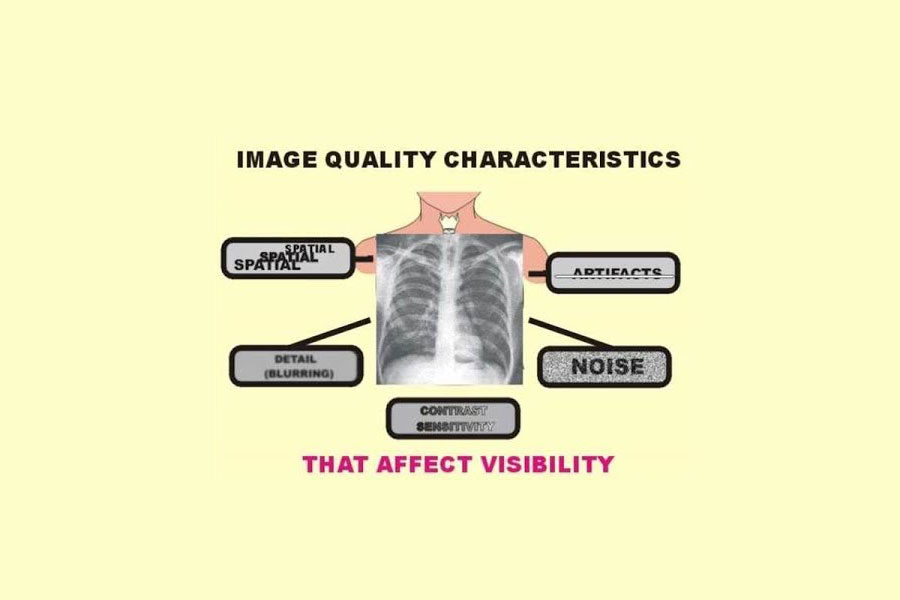
Image quality can vary significantly which can affect diagnostic accuracy. The most advanced scanner-software combinations produce images that look like the newest high definition TV, but others might look like an old fuzzy TV set from the 1950s. Furthermore, images can be affected by artifacts from any number of sources including surgical implants, jewelry, or even motion artifact from […]
To Err is Human

Radiologists make mistakes just like everyone else; radiologists can misinterpret findings or miss them altogether, most commonly nasal bone fractures and soft tissue contusions seen on head CT for assault. Aside from inherent differences in opinion, the fact is radiologists can err, either perceptually (the finding was not seen) or conceptually (the finding was seen but interpreted incorrectly). The […]
Don’t Believe Everything you Read

Radiologist’s reports are interpretations and opinions of imaging exams, not objective results like laboratory tests. The report is ideally performed in conjunction with clinical history, physical exam, and laboratory results, but even given perfect conditions radiologists may disagree with one another whether a finding is a tumor, infection, bleed, or even a more complex combination such as a bleeding […]
Considering abuse in SIDS

Findings that raise suspicion for abuse include malnutrition or neglect and injuries to the skin such as bruising, traumatic lesions, and abnormalities of the head and/or body. In the American Academy of Pediatrics’ Policy on Distinguishing SIDS from Child Abuse Fatalities, it is stated that the death of an infant may be attributed to SIDS […]
SIDS: Physical/Autopsy Findings

Three common autopsy findings in the pathophysiology of Sudden Infant Death Syndrome are unclotted blood in the heart, intrathoracic petechiae (small red spots inside the thoracic cavity caused by bleeding), and fluid-filled heavier organs. Other findings that are consistent with SIDS include the following: Serosanguineous watery, frothy, or mucous-like drainage from the mouth or nose; Reddish-blue […]
SIDS: Causes & Risk Factors

Sudden Infant Death Syndrome is typically associated with a period of sleep, and in most cases no signs of distress are apparent. Some of the causes of SIDS include low birth weight, recent respiratory infection, side or stomach sleeping, sleeping on a soft surface, hyperthermia, and sleeping with parents. Research examination of the brain stems of […]
What is SIDS?

The sudden, unexpected and unexplained death of a seemingly healthy infant under one year of age is known as SIDS. The age at peak incidence is 2-4 months, with 90% of cases being less than 7 months of age. SIDS is a diagnosis of exclusion, meaning it is only diagnosed after a thorough death scene […]