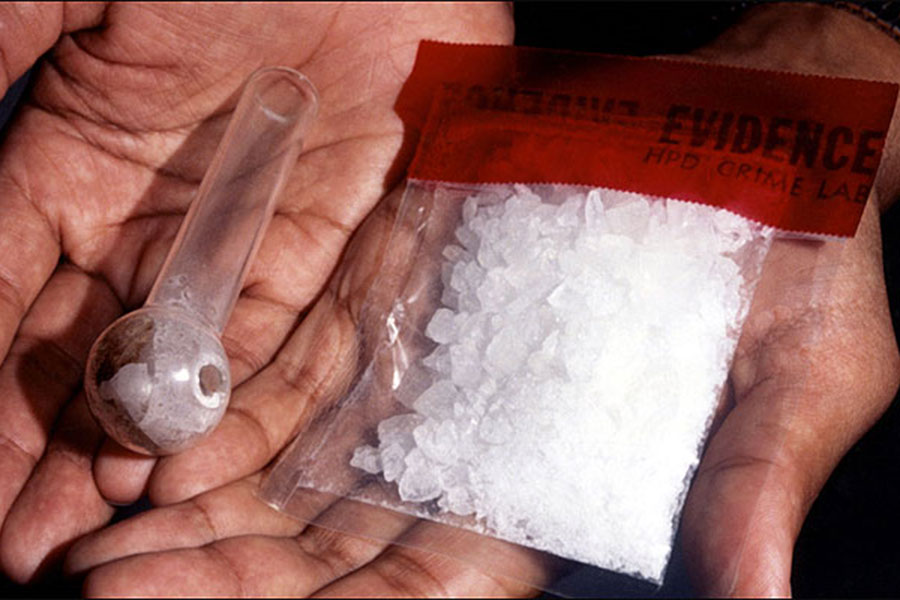
Concentration and Metabolites: Methamphetamine

Blood concentrations for methamphetamine use as a prescribed medication are typically in the range of .02-.05 mg/L for a person taking methamphetamine prescribed for attention deficit disorder, weight loss or narcolepsy. Drug abuse with methamphetamine yields blood levels as low as .01 mg/L and 2.5 mg/L. Levels above 3.0 mg/L have been documented and are […]
Methamphetamine: Screening

Screening: Methamphetamine is typically detected through urine and blood screens that offer positive or negative (“qualitative”) results. A positive result on a screen often leads to a confirmatory test that will use more sophisticated laboratory tests which can quantitate the concentration of the drug and drug metabolites. Interpreting screening and confirmatory testing results can be […]
Meth: What triggers a drug screen?
Methamphetamine use has physical manifestations that heighten suspicion of use and lead to a drug screen. The category of stimulants, which includes methamphetamine, methylphenidate and cocaine, all produce dilation of pupils and the pupils appear abnormally large. Unlike sedatives, stimulants do not cause gaze nystagmus (jerky eye movements that become apparent when a person looks […]
Burns: Complications

We have reviewed medical records from clients with burn injuries that have more than twenty diagnoses documented. This is because of the numerous complications associated with severe burns. The skin is the largest organ of the body. Damage to the skin from a burn affects multiple body systems and it is impossible to identify every […]
Burns: Long Term Treatment

The client with severe burns will be hospitalized for weeks or months. Burn wounds often require painful dressing changes, surgery and grafting. Preservation of function and prevention of complications are the priorities of care. A multidisciplinary team will care for the burn patient. The team may consist of nursing staff who provide twenty four hour […]
Burns: Initial Treatment

It is important to obtain and review medical records from the ambulance crew and emergency department in burn cases. The first responders will obtain information about the details of the fire, injuries and medical history. This information is needed for management of the injuries. Demographic data such as height, weight and age are important. The […]
Case Study: Burn Injuries

Mr. John Smith, age 40 sustained multiple injuries when he jumped from the second story of a burning house. He was treated at the scene by emergency medical services and transported to the emergency department of the local medical center where he was assessed and treated. It was estimated that burns covered 25% of his […]
Knife wounds: Directionality/Blade Width

Directionality and blade width may also be determined in a penetrating knife wound. If a hilt mark is present then directionality can be determined easily, but not all penetrating knife wounds have a hilt mark. To determine directionality, the wound itself can provide that information with careful examination. Manipulating the wound by approximating (pushing together) […]
Knife wounds: Patterns

A knife wound can have a distinct patterns, especially if the wound is a penetrating wound or puncture. In a sharp force penetrating injury caused by a knife, what can be learned from the wound is directionality, force, blade width, and depth. Knives have a handle, and at the end of that handle is what […]
Knife wounds: Characteristics

Injuries from sharp force trauma, whether it is a knife wound or other sharp object, have specific characteristics that vary based on the motion associated with the wound. Typically, the sharp force wound from a slashing motion is longer than it is deep and does not leave any “bridging” tissue in the wound. Conversely, a wound […]