
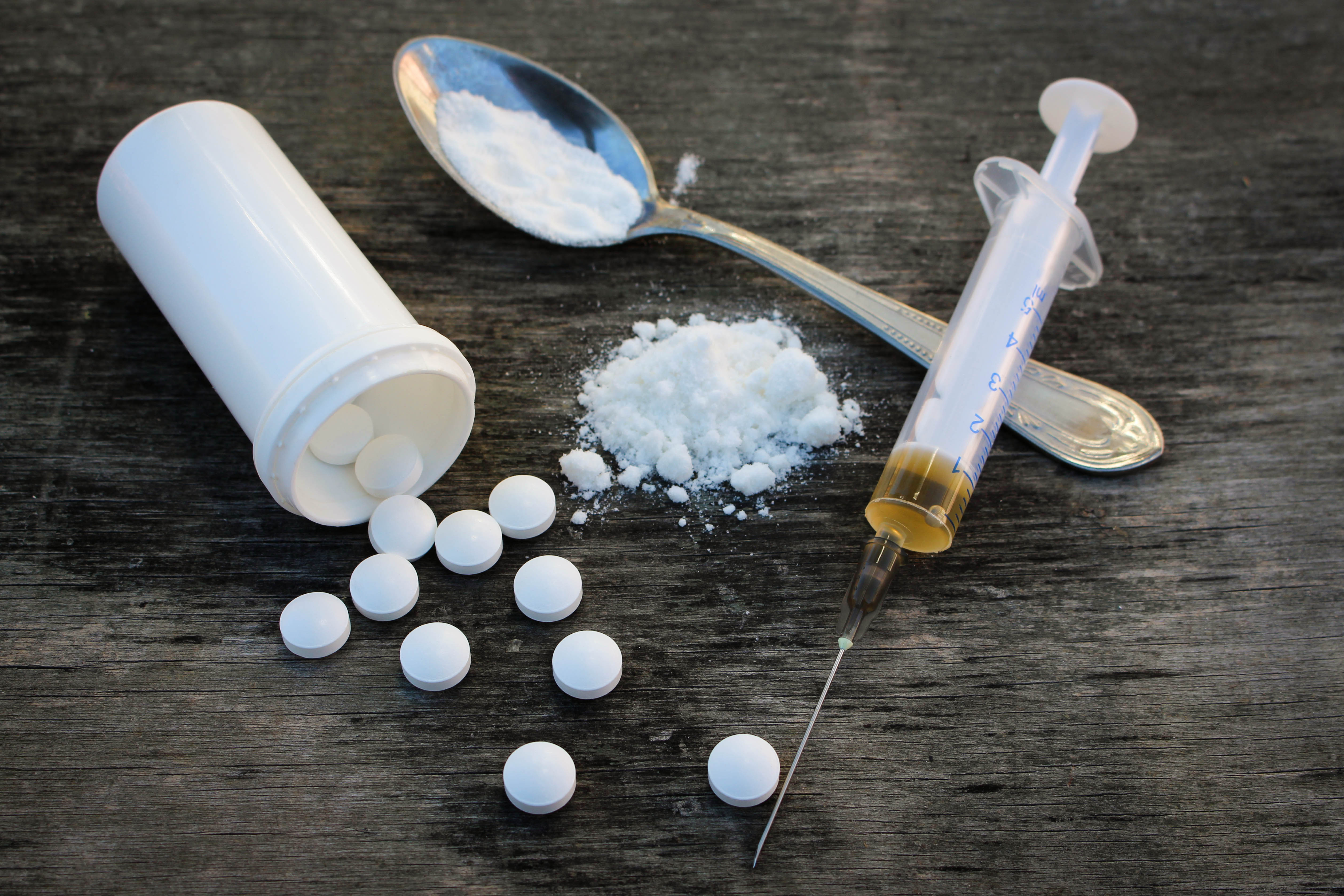
Methamphetamine and Crime
Methamphetamine has entered our case load countless times through the last several years, that we have been supporting criminal attorneys. However, it is a regional drug and therefore not all attorneys and investigators know a lot about the drug. Therefore, we’ve decided to put together a methamphetamine “fact sheet” as a quick reference for our clients.
Methamphetamine
| How it’s abused | Orally, nasally (snorting), injection or smoking |
| Other Names | Speed, meth, chalk
Crystal form – ice, crystal, glass, tina |
| Levels | Therapeutic: .01-.05 ug/ml
Toxic: 0.6-5.0 ug/ml Lethal: >10 ug/ml |
| Physical Signs | Increased respiratory rate, increased heart rate, irregular heart rate, hypertension, hypotension, fever, skin abscess, jerking motions (“tweaking”), |
| Symptoms | Intense euphoria described as a “rush”, insomnia, hyperactivity, decreased appetite, chest pain, palpitations, paranoia, hallucinations, delusions, anxiety, confusion, violent behavior,
hypersexuality, headache, abdominal pain |
| Complications | Addiction, weight loss, dental disease (“meth mouth”), HIV and Hepatitis B&C infection, stroke, coma, seizure, suicide, pneumothorax (collapsed lung), bowel obstruction, endocarditis, heart attack, organ failure, |
| Long Term Effects | Reduced motor skills, impaired verbal learning, mental disorders, emotional impairment and memory loss |
| Treatment | Cognitive-Behavioral Interventions, Contingency Management interventions. There are no medications to treat methamphetamine abuse. |
Methamphetamine leads to violence and therefore it does appear in many criminal cases. It is not always clear whether the use of methamphetamine contributed to the victim’s injuries. When one considers the signs and symptoms experienced by the user, it seems impossible that it didn’t play at least some role:
For example, take a case where the victim has intracranial bleeding and obvious signs of external trauma to the head. They find that the victim was also a meth user and had lethal levels in his system. Elevated blood pressure, heart rate and respiratory rate are all known symptoms of meth use and all three together place extra stress on the body. As the body goes into overdrive, the organs within it are not functioning at their best as the blood is flowing by too fast to collect the oxygen from the lungs, where the respiratory rate is going too fast to efficiently deposit the oxygen in the first place. The blood is also flowing too fast to deposit the nutrients and diminished oxygen supply to the brain as is needed for normal functioning. The low oxygen levels increase the permeability of the vasculature in the brain. The increased blood pressure and heart rate lead to increase pressure in the brain. This person is a ticking time bomb to begin with, making him at risk for brain hemorrhage even from a minor blow to the head.
The more common scenario is when the defendant is the abuser. They are experiencing hallucinations and delusions and lash out at imaginary foes. Methamphetamine is famed for its ability to addict. It is exponentially stronger than cocaine and the high lasts as long as 12 hours. Dr. Peck of UCLA states that after the first few uses, the decision to take meth moves to the area of the brain which controls involuntary functions. (Reilly, 2009)
One last fun fact to leave you with:
“HIV and chronic methamphetamine use each have neurotoxic effects; we now know that the combination of HIV and chronic meth use has an additive effect, causing more brain damage than both of them individually cause.”
(Chang, Ernst, Speck, & Grob, 2005) (Peck)
Works Cited
Chang, L., Ernst, T., Speck, O., & Grob, C. (2005). Additive Effects of HIV and Chronic Methamphetamine Use on Brain Metabolite Abnormalities. American Journal of Psychiatry, 162, 361-369.
National Institutes of Health. (2010, March). DrugFacts:Methamphetamine. Retrieved from National Institute on Drug Abuse: http://www.drugabuse.gov/publications/drugfacts/methamphetamine
Peck, J. (n.d.). Infectious Disease in Methamphetamine Abuse: What do we know? Los Angeles, CA, USA. Retrieved from http://www.uclaisap.org/slides/general/Peck%20SAMHSA%20Summit-ID%20Workshop%204-06-06.pdf
Reilly, C. (2009, March 5). Why is meth so addictive? Merced, CA, USA. Retrieved from http://www.mercedsunstar.com/2009/03/05/722183/why-is-meth-so-addictive.html
Richards, J. R. (2009, Dec 4). Methamphetamine Toxicity. Retrieved from Medscape: Drugs Diseases & Procedures: http://emedicine.medscape.com/article/820918
August’s On-demand Webinars
Pediatric Failure to Thrive: When is it Child Neglect?- Click here to register
Piecing Together the Puzzle: Understanding SANE Exams, Trauma, and Evidence Collection- Click here to register
Reviewing Minor Records: Was it Child Maltreatment?- Click here to register
Alcohol and the Body: A Toxicologist’s Perspective- Click here to register
Don’t miss our newsletter! Topics covered are:
Assault / Trauma
DUI / General Medical
Child & Elder Abuse / Neglect
Mental Health / Toxicology
Sign up here.