Case Study: Burn Injuries

Mr. John Smith, age 40 sustained multiple injuries when he jumped from the second story of a burning house. He was treated at the scene by emergency medical services and transported to the emergency department of the local medical center where he was assessed and treated. It was estimated that burns covered 25% of his […]
Knife wounds: Directionality/Blade Width
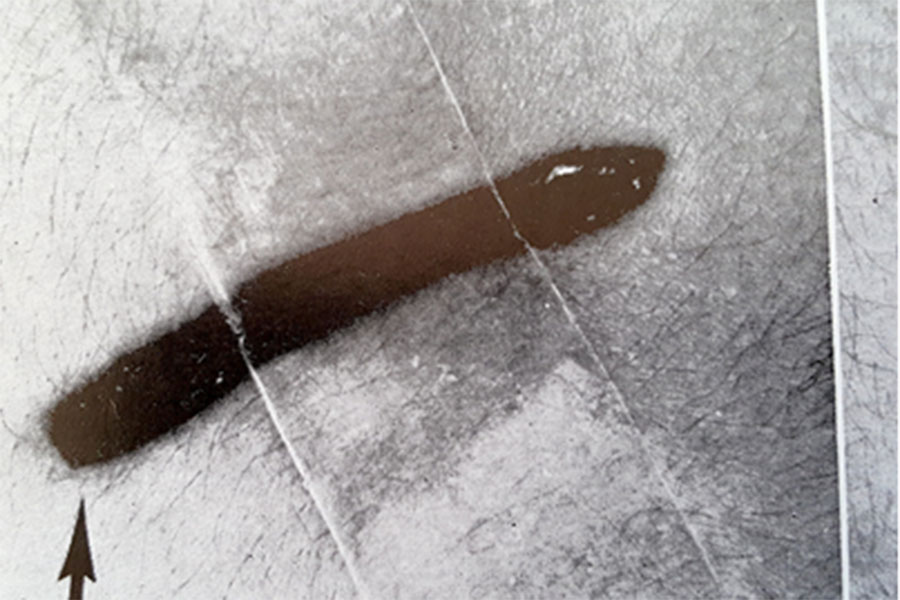
Directionality and blade width may also be determined in a penetrating knife wound. If a hilt mark is present then directionality can be determined easily, but not all penetrating knife wounds have a hilt mark. To determine directionality, the wound itself can provide that information with careful examination. Manipulating the wound by approximating (pushing together) […]
Knife wounds: Patterns

A knife wound can have a distinct patterns, especially if the wound is a penetrating wound or puncture. In a sharp force penetrating injury caused by a knife, what can be learned from the wound is directionality, force, blade width, and depth. Knives have a handle, and at the end of that handle is what […]
Knife wounds: Characteristics
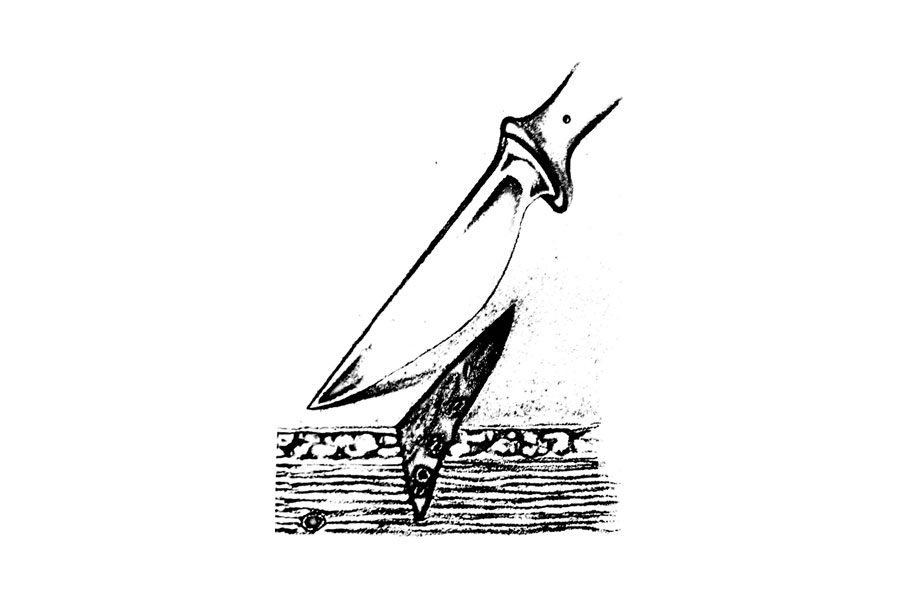
Injuries from sharp force trauma, whether it is a knife wound or other sharp object, have specific characteristics that vary based on the motion associated with the wound. Typically, the sharp force wound from a slashing motion is longer than it is deep and does not leave any “bridging” tissue in the wound. Conversely, a wound […]
Traumatic Injury Categories
Traumatic injuries can be caused by either blunt force trauma or sharp force trauma. Sharp force trauma is a broad category that covers a large group of objects that could cause these injuries. Objects such as a knife, a razor blade, a broken bottle, or even the metal lid of a can of dog food […]
Do the Right Thing
Radiologists should follow guidelines developed by the American College of Radiology regarding such things as ambient light levels, monitor resolution and luminance, and certain components of the reports themselves such as differential diagnosis and suggestions for further imaging. Furthermore, mammography is federally regulated by FDA under the Mammography Quality Standards Act (MQSA). If there have been deviations from these standard […]
Timing is Everything

Experienced radiologists have reviewed an enormous number of images which generates a vast internal database; radiologists have the best chance to assess the timing of pathology such as fractures, strokes, and bleeds by comparing the images to this huge internalized database of experience. Timing of pathology is rarely easy, but radiologists have the best chance to predict if an […]
Quality Counts
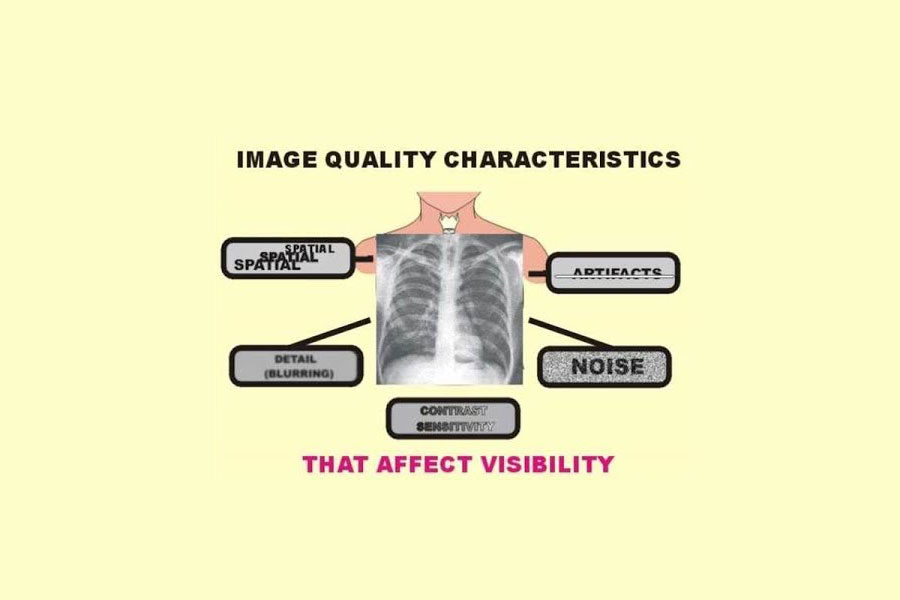
Image quality can vary significantly which can affect diagnostic accuracy. The most advanced scanner-software combinations produce images that look like the newest high definition TV, but others might look like an old fuzzy TV set from the 1950s. Furthermore, images can be affected by artifacts from any number of sources including surgical implants, jewelry, or even motion artifact from […]
To Err is Human

Radiologists make mistakes just like everyone else; radiologists can misinterpret findings or miss them altogether, most commonly nasal bone fractures and soft tissue contusions seen on head CT for assault. Aside from inherent differences in opinion, the fact is radiologists can err, either perceptually (the finding was not seen) or conceptually (the finding was seen but interpreted incorrectly). The […]
Don’t Believe Everything you Read

Radiologist’s reports are interpretations and opinions of imaging exams, not objective results like laboratory tests. The report is ideally performed in conjunction with clinical history, physical exam, and laboratory results, but even given perfect conditions radiologists may disagree with one another whether a finding is a tumor, infection, bleed, or even a more complex combination such as a bleeding […]