Do the Right Thing
Radiologists should follow guidelines developed by the American College of Radiology regarding such things as ambient light levels, monitor resolution and luminance, and certain components of the reports themselves such as differential diagnosis and suggestions for further imaging. Furthermore, mammography is federally regulated by FDA under the Mammography Quality Standards Act (MQSA). If there have been deviations from these standard […]
Timing is Everything

Experienced radiologists have reviewed an enormous number of images which generates a vast internal database; radiologists have the best chance to assess the timing of pathology such as fractures, strokes, and bleeds by comparing the images to this huge internalized database of experience. Timing of pathology is rarely easy, but radiologists have the best chance to predict if an […]
Quality Counts
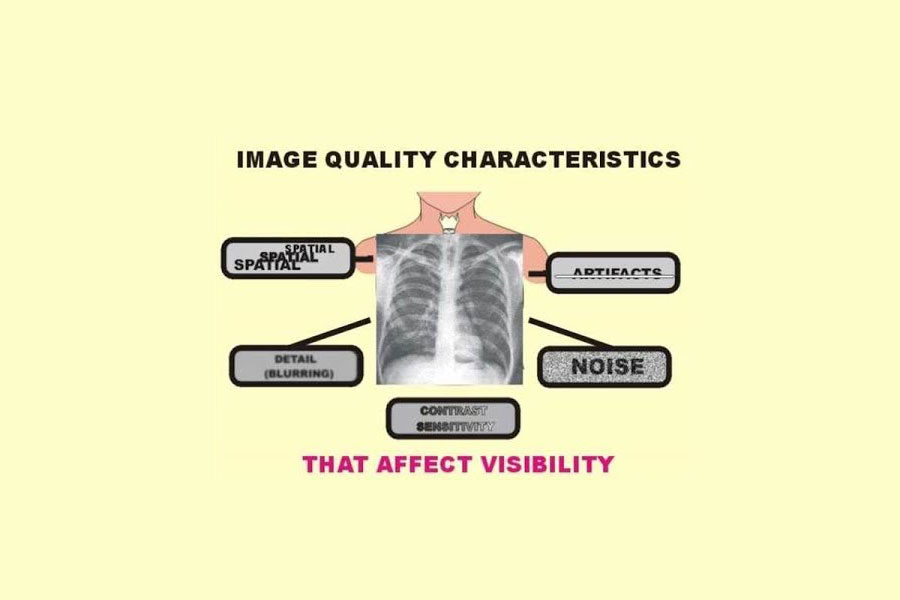
Image quality can vary significantly which can affect diagnostic accuracy. The most advanced scanner-software combinations produce images that look like the newest high definition TV, but others might look like an old fuzzy TV set from the 1950s. Furthermore, images can be affected by artifacts from any number of sources including surgical implants, jewelry, or even motion artifact from […]
To Err is Human

Radiologists make mistakes just like everyone else; radiologists can misinterpret findings or miss them altogether, most commonly nasal bone fractures and soft tissue contusions seen on head CT for assault. Aside from inherent differences in opinion, the fact is radiologists can err, either perceptually (the finding was not seen) or conceptually (the finding was seen but interpreted incorrectly). The […]