Heroin Withdrawal and Intent {Mental Health/Toxicology}
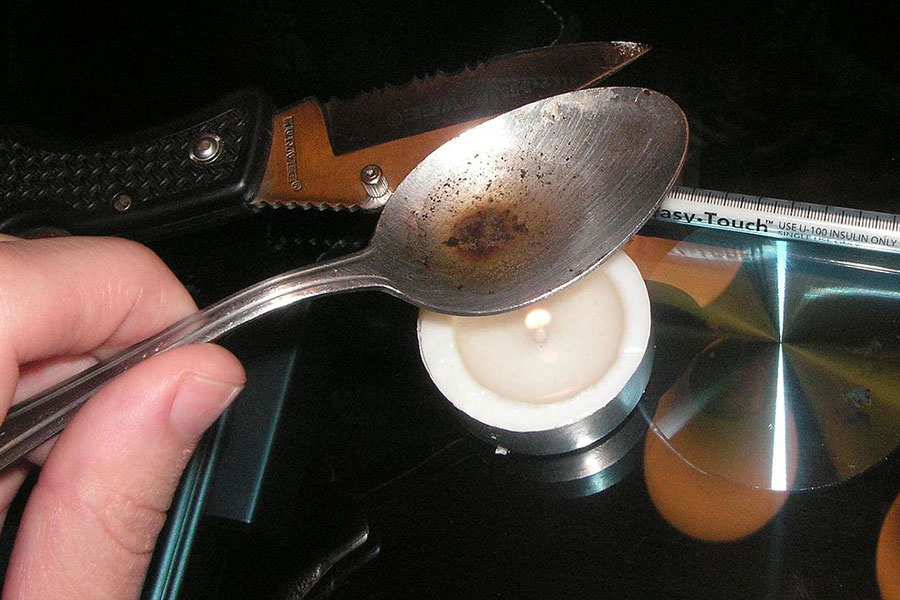
“What symptoms of Heroin withdrawal would affect the defendant’s ability to form intent?” Heroin use is a common thread within the criminal system and can become relevant in cases where the defendant’s ability to form intent is in question. Heroin intoxication is often the focus but withdrawal should also be considered. What follows is a […]
Medical Records: Complications & Procedures
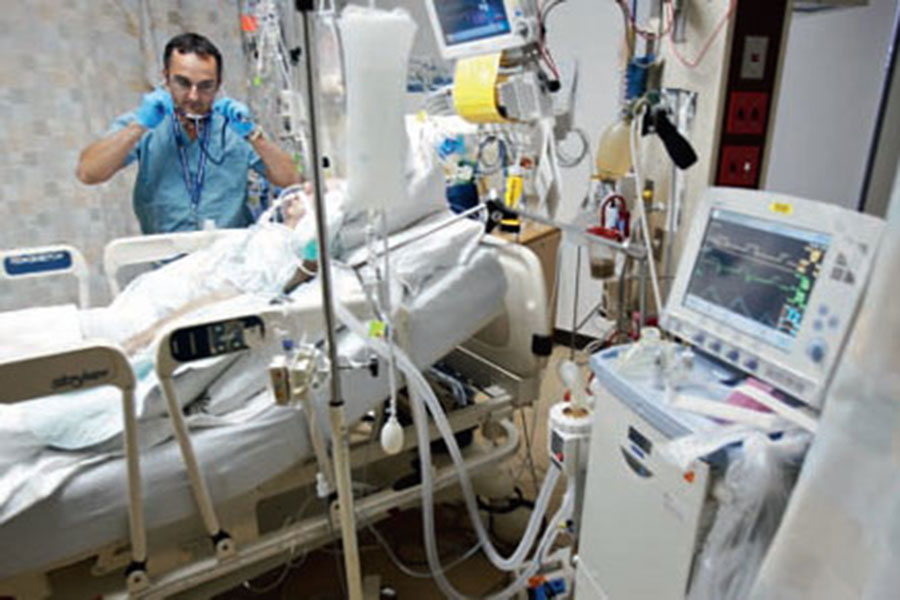
For more information on the hospital course, other documents to look for include: Operative reports: These are generated if the patient undergoes any surgeries, and a separate report will be generated for each operation. Look at the pre and post-procedure diagnosis. Radiological reports: Look at the “Impressions.” Again, there will be one report for each […]
Liver Disease: Educating Patients
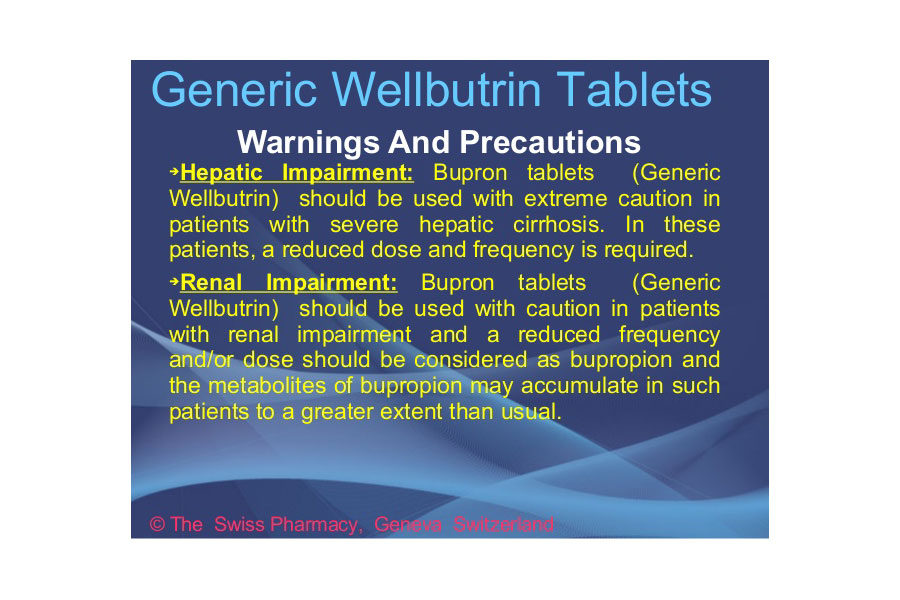
On the day prior to his arrest, Mr. Smith went to see a psychiatrist and was placed on Wellbutrin. The doctor claimed to have considered the interactions of his medications and the hepatotoxic potential, yet prescribed the full 100mg dose instead of the recommended 75mg hepatic adjusted dose. She also failed to document the details […]
Liver disease and medications

Studies from 2010 indicate that “Patients with impaired renal or hepatic function may have difficulty clearing or metabolizing opioids and concurrent medications, leading to increased risk of adverse events.” At the time of his arrest, Mr. Smith was on Ibuprofen, HCTZ, Griseofulvin, Methadone, Diazepam, and Ambien. With the exception of HCTZ, these medications are metabolized […]
What does the liver do?
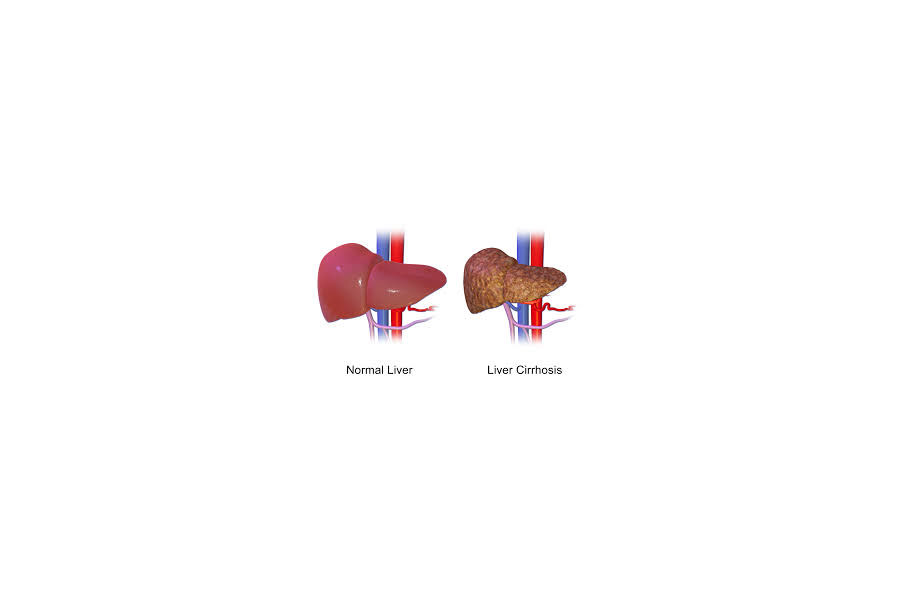
The liver is a large organ that is located on the upper right side of the body. It is considered part of the digestive system as it detoxifies the products we ingest, including medications, and produces chemicals necessary for digestion. The liver’s main function is to regulate chemicals by breaking down harmful or toxic substances […]
Liver Failure: Case Summary

Mr. Smith had a significant and lengthy medical history that included Hepatitis C, Cirrhosis, ITP, Diabetes, vertigo, peptic ulcer disease, depression, IV Drug abuse (heroin and cocaine), and prescription narcotic addiction. Mr. Smith’s history of liver disease was long-standing and had progressed over a period of two decades until he was finally at the point […]
Do the Right Thing
Radiologists should follow guidelines developed by the American College of Radiology regarding such things as ambient light levels, monitor resolution and luminance, and certain components of the reports themselves such as differential diagnosis and suggestions for further imaging. Furthermore, mammography is federally regulated by FDA under the Mammography Quality Standards Act (MQSA). If there have been deviations from these standard […]
Timing is Everything

Experienced radiologists have reviewed an enormous number of images which generates a vast internal database; radiologists have the best chance to assess the timing of pathology such as fractures, strokes, and bleeds by comparing the images to this huge internalized database of experience. Timing of pathology is rarely easy, but radiologists have the best chance to predict if an […]
Quality Counts
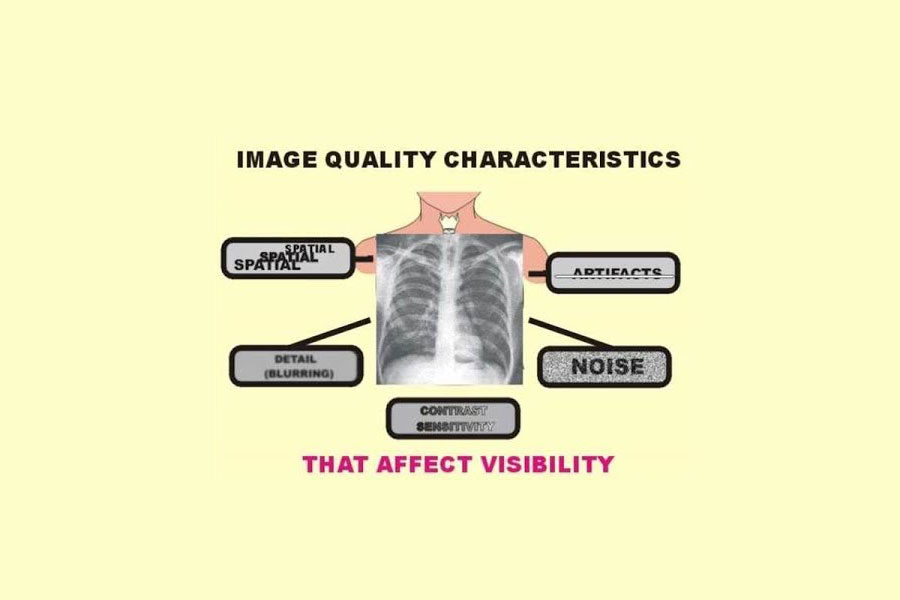
Image quality can vary significantly which can affect diagnostic accuracy. The most advanced scanner-software combinations produce images that look like the newest high definition TV, but others might look like an old fuzzy TV set from the 1950s. Furthermore, images can be affected by artifacts from any number of sources including surgical implants, jewelry, or even motion artifact from […]
To Err is Human

Radiologists make mistakes just like everyone else; radiologists can misinterpret findings or miss them altogether, most commonly nasal bone fractures and soft tissue contusions seen on head CT for assault. Aside from inherent differences in opinion, the fact is radiologists can err, either perceptually (the finding was not seen) or conceptually (the finding was seen but interpreted incorrectly). The […]