Schizophrenia Case Scenario

The police were called to a busy intersection of the city because a man was standing in traffic, shouting and stopping cars. He was a white male, in his early twenties with an unkempt appearance. When the police questioned him he stated that he was an undercover FBI agent. He said that his job was […]
Methamphetamine: Detection, Treatment and Rehabilitation

Detecting meth within a user’s body can be measured in several ways. Hair and saliva testing can be performed; but the most common methods are urine and blood sampling. Toxicology screens are typically used for those patients who are unable or unwilling to communicate the substance used. Body imaging such as abdominal scans are ordered […]
Methamphetamine: Addiction
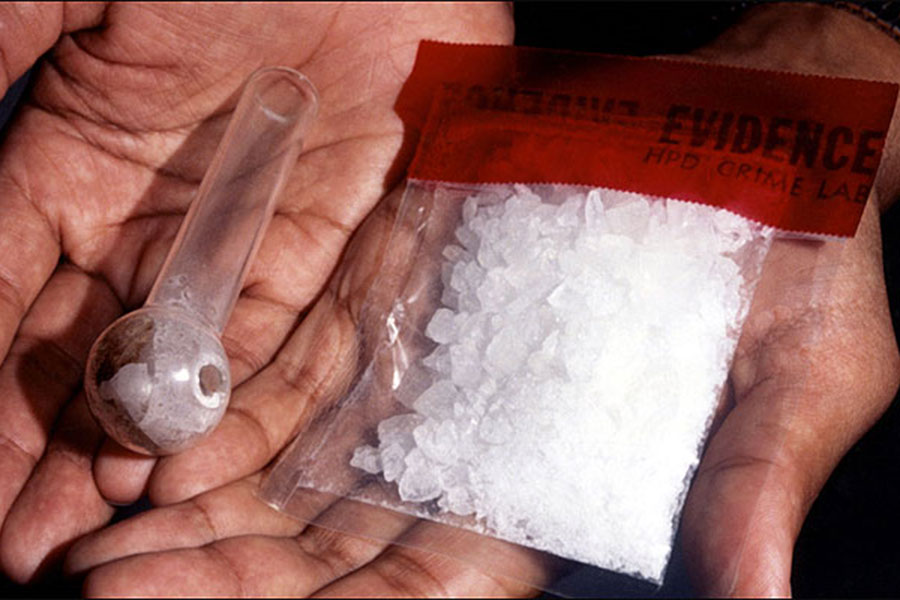
A meth user may experience several levels of addiction. The initial meth response or “rush” can last up to 30 minutes compared with 2 to 5 minutes for crack cocaine. The “high” or euphoric state, generally lasts 4 to 16 hours. The “binge” is when the user uses meth uncontrollably in an attempt to maintain […]
Methamphetamine: Making and Hiding This Illicit Drug

This illegal drug was once produced in vast quantities in the U.S. using easy-access medications and chemicals until the Combat Methamphetamine Epidemic Act of 2005 was incorporated. This act bans medications containing pseudoephedrine, ephedrine and methamphetamine from being sold over the counter. Now meth is classified as a Schedule II stimulant under the Controlled Substances […]
Methamphetamine: The History of the Stimulant

Methamphetamine is a stimulant that acts on the central nervous system resulting in increased levels of alertness and energy, a sense of euphoria, and decreased appetite. This allows the user to become highly productive for prolonged periods of time. It has been used in wars from WWII to the Iraq and Afghanistan conflicts to help […]
Neglect by IHSS Providers for Elderly/Disabled

Care provided in home for elderly and dependent people is often through a governmental program called IHSS or similar. For a description of the care provided and what tasks are permitted by these caregivers check out our blog post here.
Mimics for Failure to Thrive

Mimics for Failure to Thrive include non-organic causes, such as improperly educated parents; and organic causes, such as medical conditions that impede the body’s ability to utilize nutrients.
Diagnosing Failure to Thrive

Weight alone is not the sole factor in diagnosing failure to thrive. As the definitions in this blog post indicate, it is “growth parameters” that are recorded, not just the weight. It is the weight to height ratios, body mass index, and z-scores that should be evaluated when considering a diagnosis of failure to thrive. […]
Symptoms of Malnourishment

Symptoms of malnourishment are weight loss, stagnancy in weight gain, growth retardation, seizures, and developmental delays.
Differentiating Failure to Thrive From Malnourishment
Defining Malnourishment and Failure to Thrive: Malnourishment is an issue of supply versus demand of nutrients. Failure to thrive is the failure to grow appropriately according to the standard growth patterns of similarly aged children. Growth Failure is an obsolete definition and is no longer used.