Dismissing DUI Blood Draws {DUI/Gen Med}

[vc_row][vc_column][vc_column_text] I just got back from the DUI Defense Lawyers Association’s Mile High Summer Seminar 2016 in Denver where I presented on Medically Acceptable Blood Draws. The case law for this issue is from Cuevas and Schmerber where the courts determined that blood draws must be performed in a medically acceptable manner. The main issues […]
Detecting Methamphetamine : Toxicology Time Window

Detection Time of Methamphetamine: Compared to cocaine, methamphetamine’s effects can be more intense and last longer. The half-life for methamphetamine (the time period required for the body to decrease the blood level of methamphetamine by 50%) ranges from 6- 20 hours. The time window for detecting methamphetamine will depend on both testing factors and individual […]
Concentration and Metabolites: Methamphetamine

Blood concentrations for methamphetamine use as a prescribed medication are typically in the range of .02-.05 mg/L for a person taking methamphetamine prescribed for attention deficit disorder, weight loss or narcolepsy. Drug abuse with methamphetamine yields blood levels as low as .01 mg/L and 2.5 mg/L. Levels above 3.0 mg/L have been documented and are […]
Methamphetamine: Screening

Screening: Methamphetamine is typically detected through urine and blood screens that offer positive or negative (“qualitative”) results. A positive result on a screen often leads to a confirmatory test that will use more sophisticated laboratory tests which can quantitate the concentration of the drug and drug metabolites. Interpreting screening and confirmatory testing results can be […]
Meth: What triggers a drug screen?
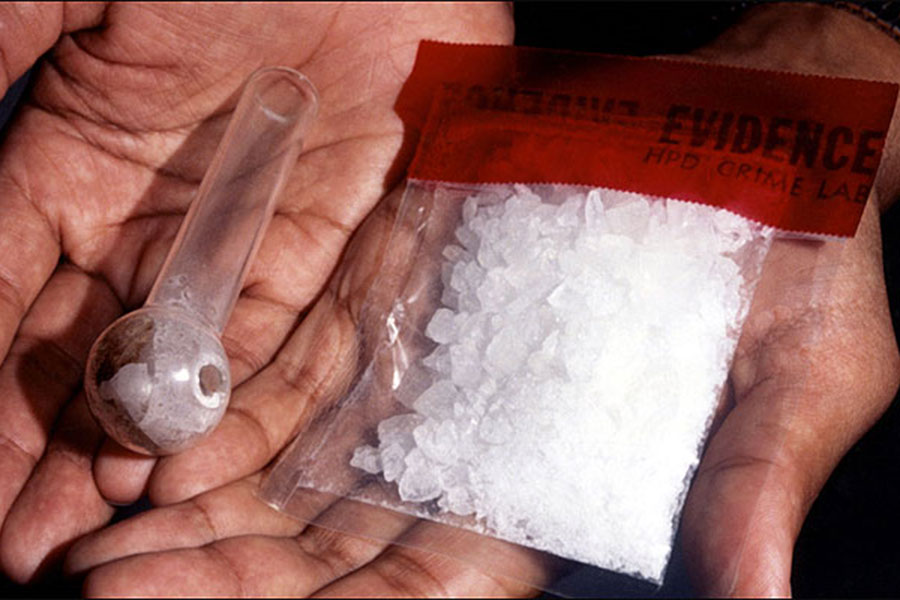
Methamphetamine use has physical manifestations that heighten suspicion of use and lead to a drug screen. The category of stimulants, which includes methamphetamine, methylphenidate and cocaine, all produce dilation of pupils and the pupils appear abnormally large. Unlike sedatives, stimulants do not cause gaze nystagmus (jerky eye movements that become apparent when a person looks […]
Liver Disease: Educating Patients

On the day prior to his arrest, Mr. Smith went to see a psychiatrist and was placed on Wellbutrin. The doctor claimed to have considered the interactions of his medications and the hepatotoxic potential, yet prescribed the full 100mg dose instead of the recommended 75mg hepatic adjusted dose. She also failed to document the details […]
Liver disease and medications
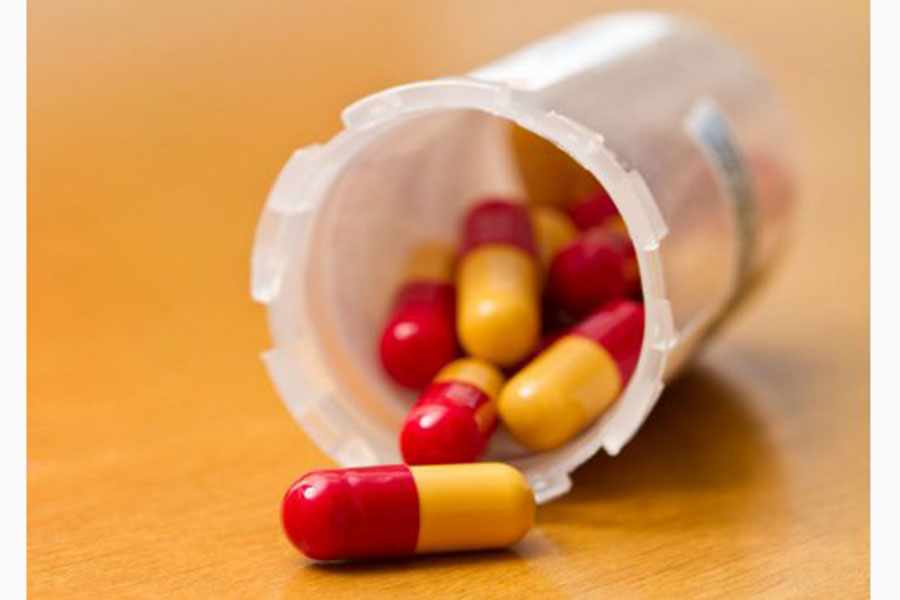
Studies from 2010 indicate that “Patients with impaired renal or hepatic function may have difficulty clearing or metabolizing opioids and concurrent medications, leading to increased risk of adverse events.” At the time of his arrest, Mr. Smith was on Ibuprofen, HCTZ, Griseofulvin, Methadone, Diazepam, and Ambien. With the exception of HCTZ, these medications are metabolized […]
What does the liver do?

The liver is a large organ that is located on the upper right side of the body. It is considered part of the digestive system as it detoxifies the products we ingest, including medications, and produces chemicals necessary for digestion. The liver’s main function is to regulate chemicals by breaking down harmful or toxic substances […]
Liver Failure: Case Summary

Mr. Smith had a significant and lengthy medical history that included Hepatitis C, Cirrhosis, ITP, Diabetes, vertigo, peptic ulcer disease, depression, IV Drug abuse (heroin and cocaine), and prescription narcotic addiction. Mr. Smith’s history of liver disease was long-standing and had progressed over a period of two decades until he was finally at the point […]
Seizures: 5 Things Every Criminal Attorney Should Know

1. Seizures also have a long list of causes, including: Seizure medication noncompliance Medications: Tricyclic Antidepressants, anticholinergics, lithium Brain conditions such as hydrocephalus, tumors, stroke (Can be delayed) Traumatic brain bleed (Can be delayed) Kidney Failure Strychnine – pesticide that can be mixed in with street drugs Other pesticides Electrolyte imbalance – especially sodium, potassium […]