MRSA: Prevention & Treatment

The Centers for Disease Control and Prevention estimate that “2 in 100 people carry MRSA”. (Centers for Disease Control and Prevention, 2014) Hospitalized patients are usually tested prior to surgical or other invasive procedures. The screening process is painless. A cotton swab is swiped across the area that’s to be tested such as the skin, […]
MRSA: High Risk Populations

There are people who are at higher risks of developing complications to these infections. Patients with weakened immune systems who are unable to fight off the infection include those with cancer and receiving chemotherapy; those with autoimmune illnesses such as rheumatoid arthritis, transplant recipients, intravenous drug users and patients with kidney diseases requiring dialysis. A […]
MRSA: Transmission

Staphylococcus aureus, or S. aureus, has been around for more than 100 years. Over the years the increasing overuse and misuse of antibiotics to treat bacteria, including, S. aureus, has caused bacteria to become resistant to many common antibiotics used to treat infections. This is a tremendous concern in hospitals, medical centers and nursing homes–typical […]
Schizophrenia: Medical Treatment Options

The primary treatment for schizophrenia is antipsychotic medication. It can help individuals to manage their symptoms but it is not a cure. The older antipsychotic medications, called “first generation” were effective for positive symptoms and had serious side effects. Some side effects such as tardive dyskinesia can be irreversible. Neuroleptic malignant syndrome is a rare […]
Schizophrenia: Approach Considerations

Individuals with schizophrenia may sleep excessively or use alcohol or other substances to diminish the voices. Command hallucinations are the most serious and can be dangerous. The voices may command an individual to harm themselves or others. The person may feel that they must obey. It is helpful to ask someone who experiences auditory hallucinations […]
Schizophrenia: Symptoms and Diagnosis
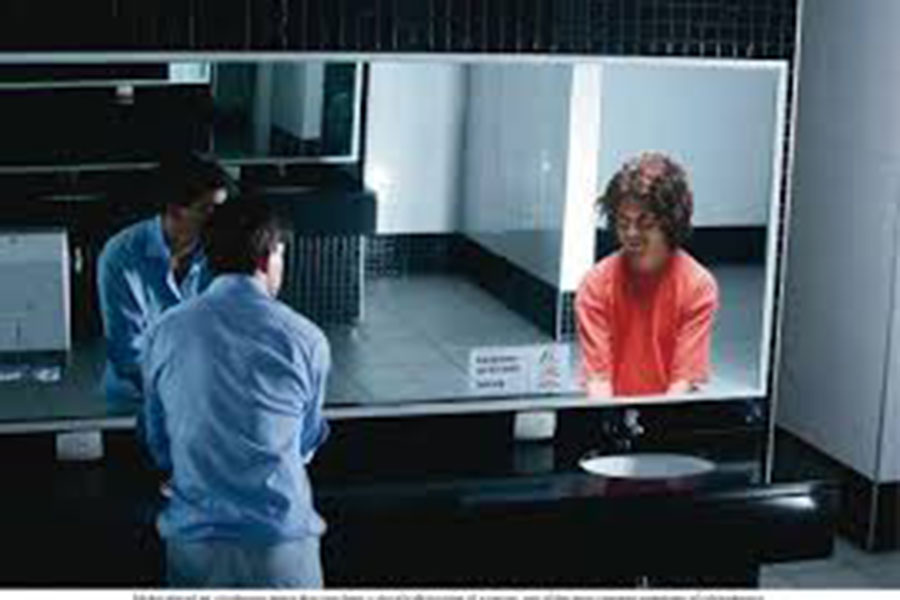
There is currently no diagnostic test for schizophrenia. The age of onset is usually between the late teens and early thirties. Diagnosis is based on an individual’s history and presenting symptoms. Positive, negative and cognitive symptoms are identified. Positive symptoms are delusions and hallucinations. Sometimes people confuse these two symptoms. A delusion is a belief […]
Schizophrenia Case Scenario

The police were called to a busy intersection of the city because a man was standing in traffic, shouting and stopping cars. He was a white male, in his early twenties with an unkempt appearance. When the police questioned him he stated that he was an undercover FBI agent. He said that his job was […]
Legal Implications of Never Events

When TJC initiated their self-reporting policy regarding medical errors, there was concern the information would be used in legal proceedings, when the true purpose was to reduce the occurrence of sentinal events. So then the question remains…is that information available to attorneys? Find out here.
The Root of the Problem in Never Events

What is a root cause analysis and why do hospitals need to do them? Who needs to be involved? Find out more here.
Reporting Never Events

Reporting of never events has been recommended by the Joint Commission since 1995. Find out more about reporting and policies related to it here.