What to ask if you have a brain bleed case

Legal implications – civil: Non-traumatic intracranial hemorrhage (stroke): For cases involving warfarin or Coumadin- was the patient’s lab work such as PT/INR adequately monitored? If the patient was suffering from Coumadin toxicity, what was the treatment? Was the blood pressure controlled according to guidelines? Did the patient develop hemorrhage after receiving treatment for ischemic stroke? […]
What are three main kinds of brain bleeding?

Types of hemorrhage Epidural hemorrhage is bleeding between the skull and outer covering of the brain, the dura matter. Epidural hemorrhages are frequently caused from a blunt trauma from an assault, fall or other accident. Approximately 17% of patients with epidural hemorrhage will deteriorate to coma following trauma. A subdural hematoma is a collection of […]
Is trauma the only cause of intracranial hemorrhages?
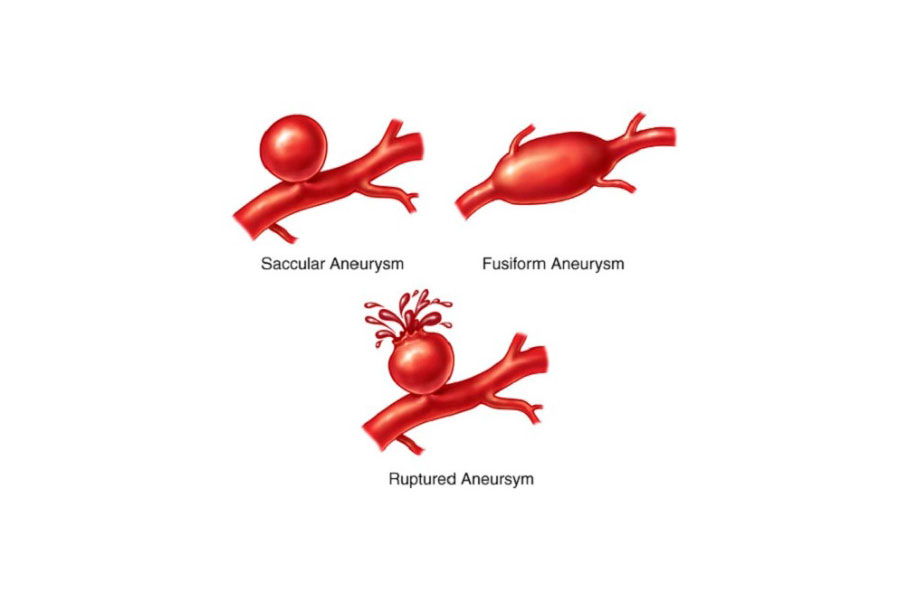
Causes: Non-traumatic Intracranial hemorrhage may have traumatic and non-traumatic causes. One non-traumatic cause is hemorrhagic stroke which accounts for 8%-13% of all strokes. Hemorrhagic strokes often have a poor prognosis resulting in death or major disability. Hypertension is the most common cause of non-traumatic intercerebral hemorrhage because it causes damage to the blood vessels in the […]
What is an Intracranial Hemorrhage?

Intracranial hemorrhage is an accumulation of blood inside the skull; in or around the brain that can have traumatic and non- traumatic causes. Bleeding may occur in the brain parenchyma (intercerebral) or in the surrounding coverings on the brain. The accumulation of blood inside the skull causes pressure on the brain and decreased circulating blood flow, […]
How is a concussion managed?

Conservative management of concussions is standard practice. Physical and cognitive rest is recommended for at least 24 hours pending cessation of symptoms. Gradual return to work, school, and physical activity is also endorsed. For a person with prolonged symptoms, reevaluation and treatment may be beneficial. (Evans, Concussion and mild traumatic brain injury, 2013) Admission to […]
Medical Record Workshop Still Open

4 hours MCLE available for $125! Register now for our workshop. Our intensive workshop on medical records is designed to teach attorneys and investigators how to find what they need in the medical records and look at them from a different perspective. The cases will cover topics including concussion, strangulation, great bodily injury and other […]
What is post-concussion syndrome?

One common consequence of concussion is the post-concussion syndrome (PCS), which is a group of symptoms that includes headache, dizziness, decreased concentration, memory problems, irritability, fatigue, visual disturbances, sensitivity to noise, judgment problems, depression, and anxiety. PCS is usually associated with mild traumatic brain injury (TBI), such as a concussion, but may also occur after […]
How is a concussion diagnosed?

The initial diagnosis of concussion is based on evaluation of the symptoms a person reports, or someone else observes, after sustaining the injury. Concussion is commonly divided into three different types: Grade 1, Grade 2, and Grade 3. The chart below distinguishes the features of each: [su_table] Grade Behavior Signs Time 1 Confused but remains […]
What exactly is a concussion?

When a bump, jolt, or blow to the head causes a change in the way the brain works, it is called a concussion. A concussion is a type of traumatic brain injury (TBI) that causes the brain to move quickly back and forth inside the skull. They are sometimes considered “mild” because concussions are not […]
Need Medical Records Analyzed for $125?
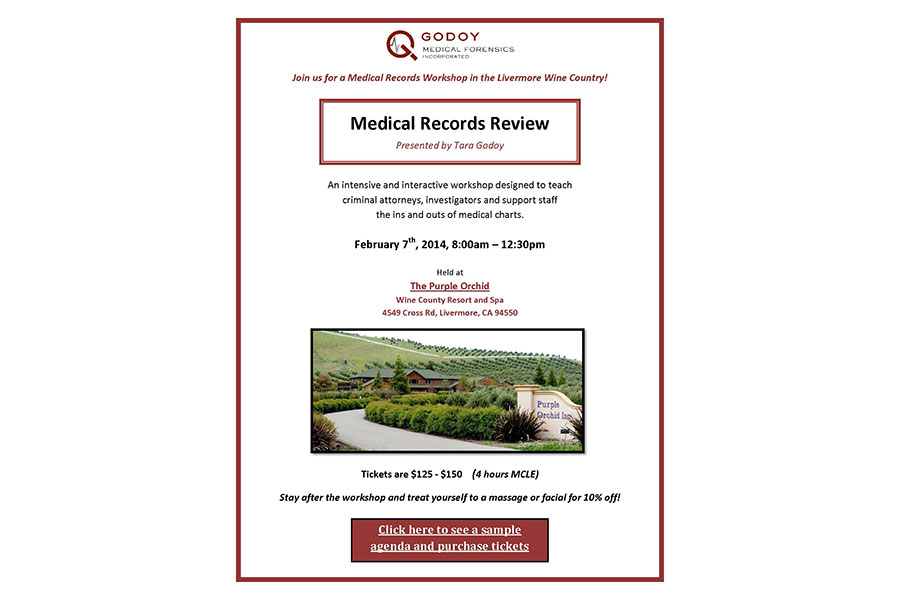
The discounted pre-registration rate ends 1/5, don’t miss this opportunity to get in the know about medical record review. 4 hours of MCLE and a chance to get your own case analyzed by a medical expert (included in fee). Come see us in Livermore for our extensive workshop on medical records for attorneys. Register and see […]