Child Abuse or Accidental Burn?

Child Abuse or Accident – Burns in Children Child abuse is a serious offense for everyone involved. A child is at risk of losing his parents and the parents are at risk of losing their child. A child trusts their parents even when the parents abuse them because the parents are the only caregivers they […]
Can Steroids Impact Criminal Behavior?

The Effect of Anabolic-Androgenic Steroids on Criminal Behavior As anabolic-androgenic steroid (AAS) use has become a major problem in recent years, it is now considered to be a substance use disorder that affects tens of millions of people. Some of these people develop violent or criminal behaviors that are not consistent with their usual personality […]
What is Sudden Infant Death Syndrome?

Potential Biomarker for Sudden Infant Death Syndrome (SIDS) Sudden Infant Death Syndrome is defined as a sudden and unexplained cause of death in a seemingly healthy baby that is less than a year old. This type of death usually occurs during sleep and the cause has alluded researchers for decades. As of 2019, there were […]
Childhood Sexual Abuse and Its Effect on Criminal Behavior
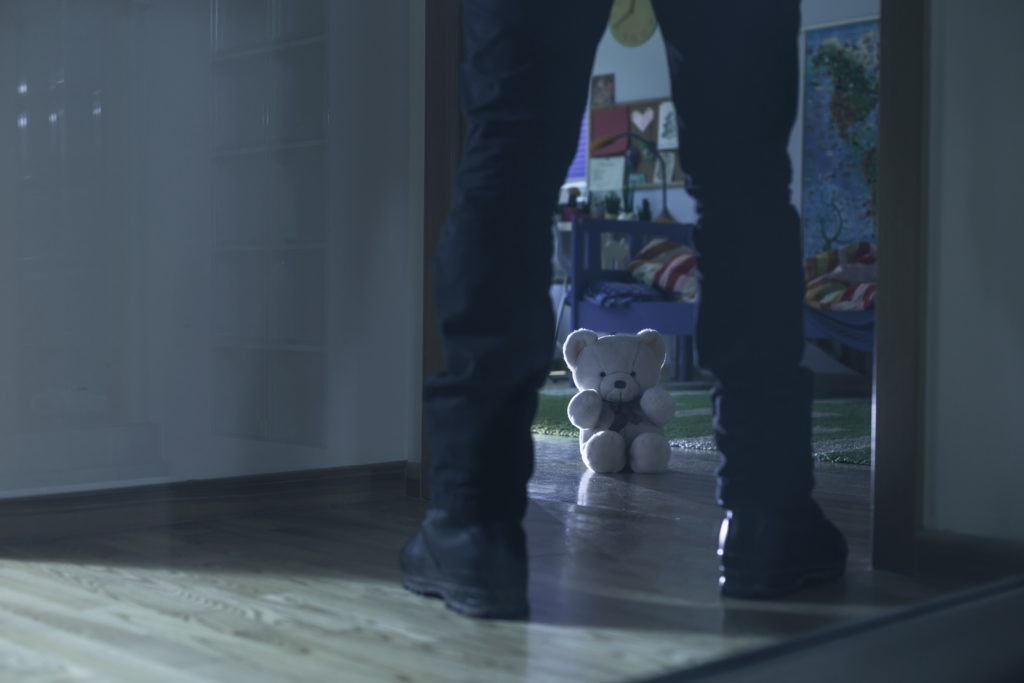
How Adverse Childhood Experiences Relate to Criminal Behavior: Part 3 The definition of child sexual abuse has been controversial. Some scholars, practitioners, and organizations believe that peer-perpetrated abuse should be included in the definition and others believe that the definition should be limited to interactions between children and adults. Therefore, the research includes two separate […]
How Can Early Environments Influence Future Criminal Behavior?
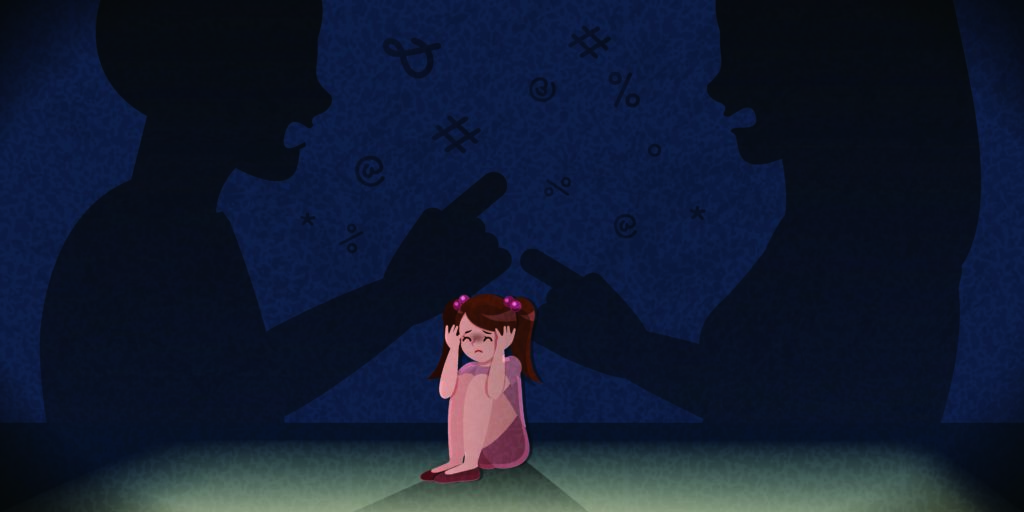
Environmental Influences and Effects on Future Criminal Behavior A healthy family environment is critical to a child’s emotional and physical wellbeing. We all know that no one is perfect and therefore no family is perfect. However, a severely dysfunctional family can influence antisocial or criminal behavior. Known risk factors are poverty, education level, parenting […]
When Does Discipline Cross The Line Of Abuse?

Discipline or Child Abuse? Many experts are asked to answer this question when they are retained on child abuse cases. It is not as black and white as one might think. Corporal punishment is defined as “an act carried out with the intention of causing a child to experience physical pain, but not injury, for […]
What Are The Long-Term Effects of Repetitive Head Trauma?

Traumatic Brain Injury in Criminal Cases After Traumatic Brain Injury (TBI), people can experience personality changes, social anxiety, irritability, anger, depression, general anxiety, mood swings, emotional lability, and feelings of being overwhelmed. The bottom line is that the brain no longer functions exactly the way it did prior to the head injury. The location of […]
Does Childhood Trauma Lead To Criminal Behavior?

How Adverse Childhood Experiences (ACEs) Relate to Criminal Behavior This article is the first in a series about the effects of stressful and traumatic events in a child’s life and its relationship to the likelihood of this child committing serious, violent crimes later in life. These events can include such things as physical abuse, sexual […]
Prisoner or Patient?
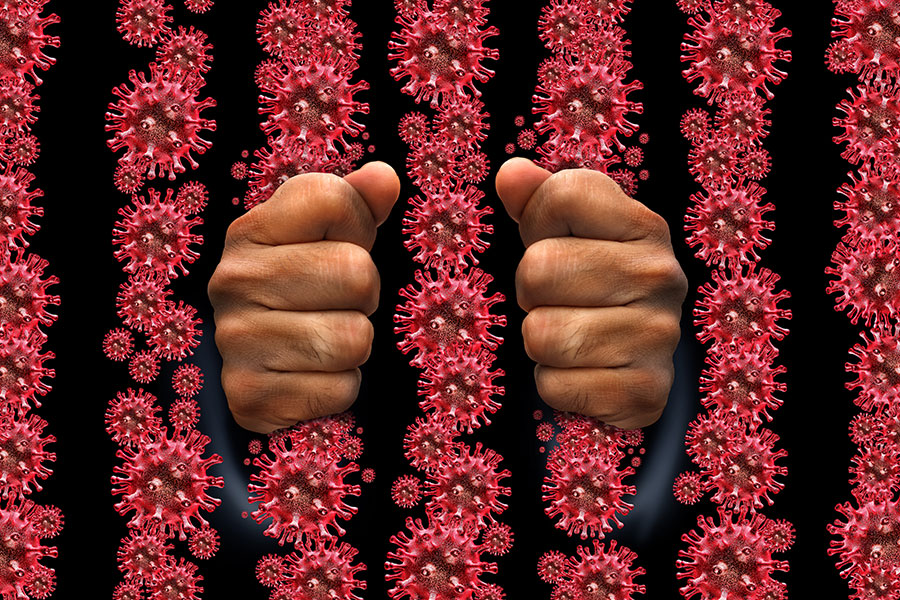
Are Correctional Facilities Adequately Caring for the Health of Their Inmates? According to the American Academy of Family Physicians (AAFP), incarcerated individuals are “disproportionately affected by chronic health conditions, mental illness, and substance abuse. However, they tend to receive inadequate healthcare before, during, and after incarceration or detention, further exacerbating their disadvantage.” As of 2016, […]
Medically Conscious but Legally Unconscious?
Conscious or Unconscious? Can someone be medically conscious but considered legally unconscious? What an interesting conundrum! According to the Oxford Dictionary, “unconsciousness is the state of being unconscious or the state of being uninformed or unaware” and “automatism is the performance of actions without conscious thought or intention, involuntary” (Oxford English Dictionary, 2021). Even in […]