What a criminal attorney needs to know about brain injuries.
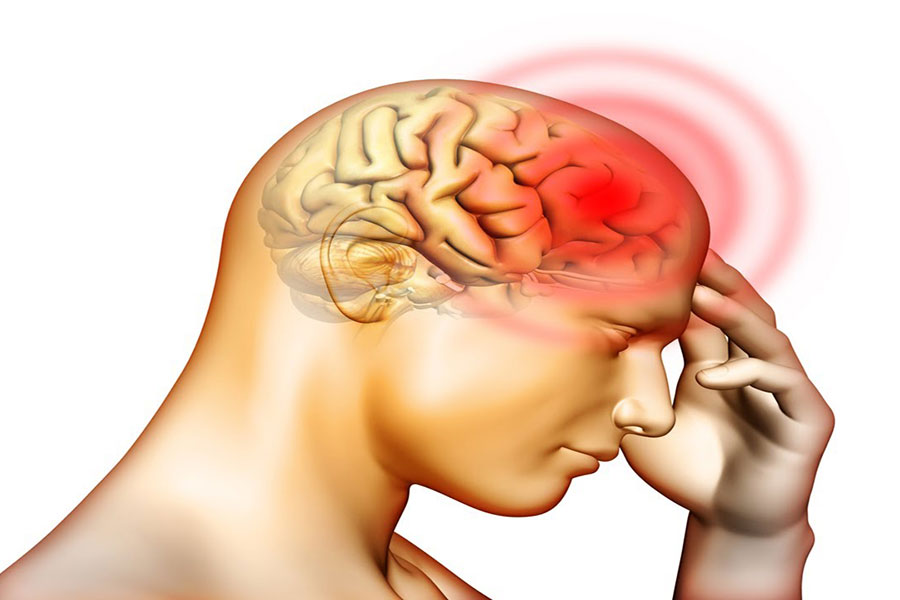
In April, I covered delirium and noted that there are many underlying etiologies that can cause it. One of those underlying causes is brain injuries, or intracranial processes such as stroke, tumor or traumatic injury. Symptoms of certain intracranial processes are not always immediately apparent or obvious to the person being affected or even their […]
What to ask if you have a brain bleed case

Legal implications – civil: Non-traumatic intracranial hemorrhage (stroke): For cases involving warfarin or Coumadin- was the patient’s lab work such as PT/INR adequately monitored? If the patient was suffering from Coumadin toxicity, what was the treatment? Was the blood pressure controlled according to guidelines? Did the patient develop hemorrhage after receiving treatment for ischemic stroke? […]
What are three main kinds of brain bleeding?

Types of hemorrhage Epidural hemorrhage is bleeding between the skull and outer covering of the brain, the dura matter. Epidural hemorrhages are frequently caused from a blunt trauma from an assault, fall or other accident. Approximately 17% of patients with epidural hemorrhage will deteriorate to coma following trauma. A subdural hematoma is a collection of […]
Is trauma the only cause of intracranial hemorrhages?

Causes: Non-traumatic Intracranial hemorrhage may have traumatic and non-traumatic causes. One non-traumatic cause is hemorrhagic stroke which accounts for 8%-13% of all strokes. Hemorrhagic strokes often have a poor prognosis resulting in death or major disability. Hypertension is the most common cause of non-traumatic intercerebral hemorrhage because it causes damage to the blood vessels in the […]
What is an Intracranial Hemorrhage?

Intracranial hemorrhage is an accumulation of blood inside the skull; in or around the brain that can have traumatic and non- traumatic causes. Bleeding may occur in the brain parenchyma (intercerebral) or in the surrounding coverings on the brain. The accumulation of blood inside the skull causes pressure on the brain and decreased circulating blood flow, […]