Veterans: Blast Injury

Blast injury-the signature wound of the war in Iraq and Afghanistan. It is always wise to ask a veteran client who has served in the Middle East if he or she was ever exposed to a blast. Blast exposure can cause instant death, immediate neurological symptoms or injuries with delayed symptoms. Traumatic brain injury (TBI) […]
Veterans: Psychiatric Issues

There are several depression screening tools that professionals administer that are cost effective and provide concrete data that can be used in court. Symptoms of depression that could affect a veteran’s functioning are; sad or irritable mood inability to experience pleasure, appetite and sleep changes feelings of worthlessness decreased ability to think or concentrate. suicidal […]
A look at Veterans in Criminal Court

Hypothetical Scenario The following is a fictional scenario in which a veteran client may be arrested and charged with a crime. Mr. Smith served two yearlong tours in Iraq. He experienced a mild traumatic brain injury after an improvised explosive device (IED) exploded on the road where he was traveling by jeep. Some of his […]
Mitigation: Psychiatric Symptoms

Mental health problems manifest in many ways. Depression, mania, addiction and psychosis have profound effects on behavior. Sometimes substance use and psychiatric disorders interact and amplify symptoms. Some psychiatric disorders are marked by poor insight. These patients may leave treatment and struggle to manage in the community. Some of the most dramatic psychiatric symptoms are […]
Mitigation: Substance Use
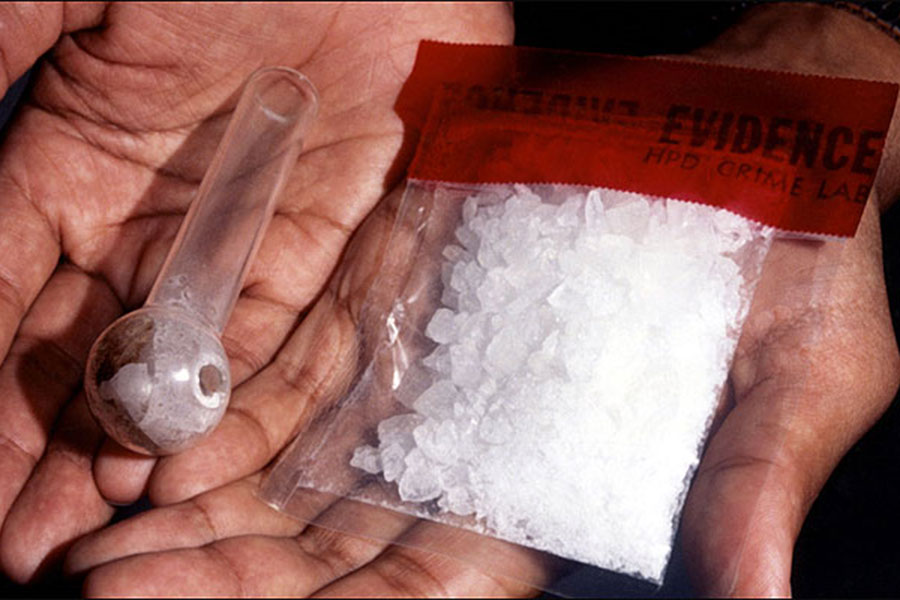
Early or heavy substance use can have a profound impact on an individual’s brain, with resulting changes in judgment and behavior. Substances can lead to acute impairment during periods of intoxication and withdrawal. Some substances (stimulants, PCP) induce a psychotic state during and shortly after use. These substances can mimic schizophrenia with delusions, hallucinations and […]
Mitigation: Immaturity
Some defendants are legally adults but are less-than-mature neurologically. Neurodevelopmental research tells us that brain maturation is not complete until mid-twenties. What are the implications of an immature brain? Impulsivity, poor judgment, decreased impulse control and susceptibility to peer influences. Young adults are more likely to engage in risk-taking and to abuse substances. These behaviors are […]
Mitigation: Life Experiences

Among the life experiences that are linked to adult problems, childhood adversity is the best studied and has the most compelling data. In study after study, early life adversity is linked to medical, mental health and other problems including substance abuse and involvement with the criminal justice system. The negative effects of early life experience […]
Schizophrenia: Medical Treatment Options

The primary treatment for schizophrenia is antipsychotic medication. It can help individuals to manage their symptoms but it is not a cure. The older antipsychotic medications, called “first generation” were effective for positive symptoms and had serious side effects. Some side effects such as tardive dyskinesia can be irreversible. Neuroleptic malignant syndrome is a rare […]
Schizophrenia: Approach Considerations

Individuals with schizophrenia may sleep excessively or use alcohol or other substances to diminish the voices. Command hallucinations are the most serious and can be dangerous. The voices may command an individual to harm themselves or others. The person may feel that they must obey. It is helpful to ask someone who experiences auditory hallucinations […]
Schizophrenia: Symptoms and Diagnosis
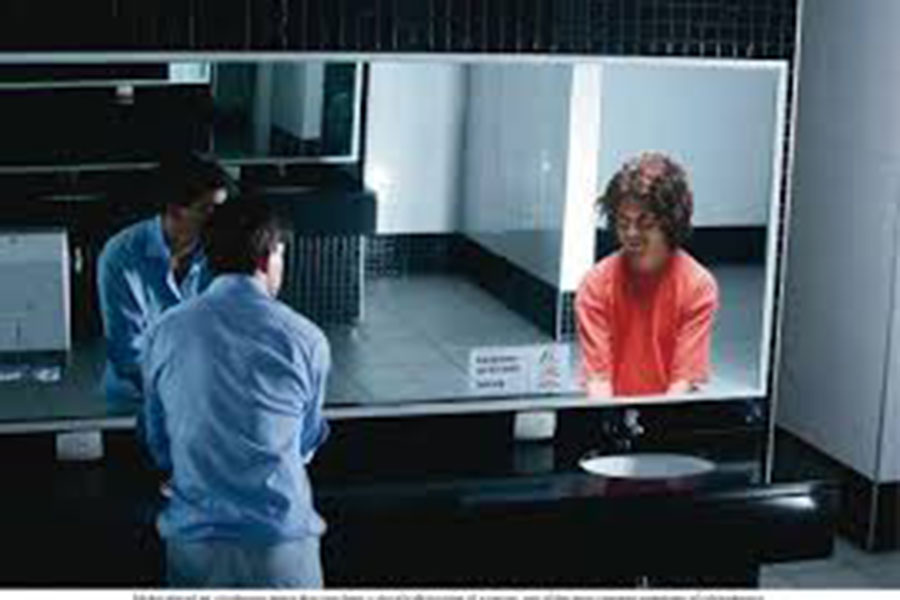
There is currently no diagnostic test for schizophrenia. The age of onset is usually between the late teens and early thirties. Diagnosis is based on an individual’s history and presenting symptoms. Positive, negative and cognitive symptoms are identified. Positive symptoms are delusions and hallucinations. Sometimes people confuse these two symptoms. A delusion is a belief […]